Nancy: three squares designed as an Enlightenment capital
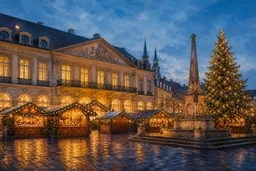
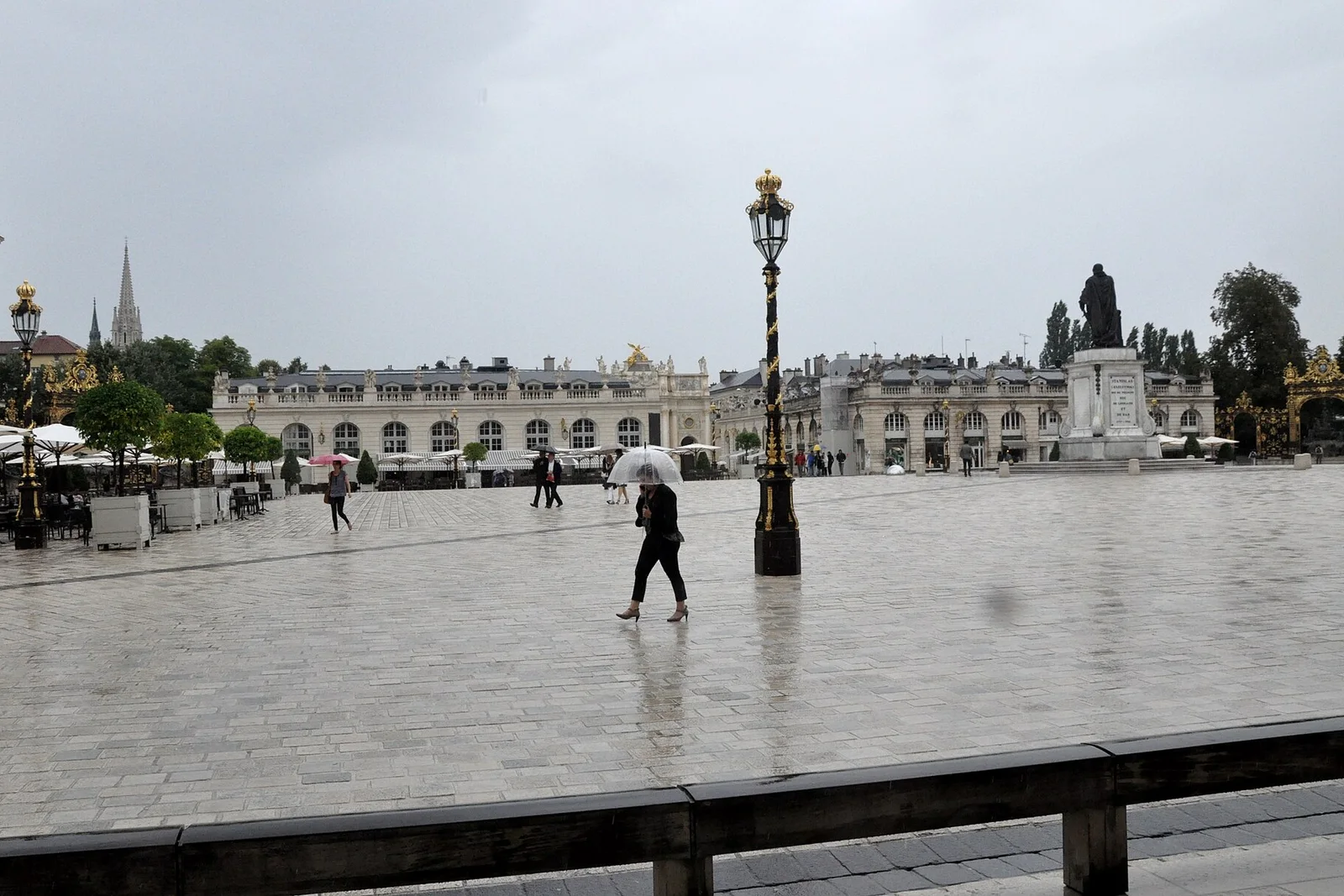
Nancy belongs here for the precision of its urban composition. The property comprises Place Stanislas, Place de la Carrière and Place d’Alliance, built between 1752 and 1756 under the direction of architect Emmanuel Héré for Stanislas Leszczynski, later Duke of Lorraine. Together they demonstrate the idea of a royal square as a monumental, central and public space. The project enhanced the sovereign’s prestige while also providing access to the town hall, courts of justice, the “Palais de Fermes” and other public buildings.
This is not a smaller version of Versailles. Versailles organises a palace domain and far-reaching garden perspectives; Nancy concentrates its meaning in a civic urban ensemble whose three spaces retain their unity, centrality and public character. Details reward close attention: Héré’s ordered façades, Jean Lamour’s wrought-iron gates, the fountains of Neptune and Amphitrite by Guibal, and Paul-Louis Cyfflé’s fountain on Place d’Alliance. Their relationship creates scenography through alignment, enclosure and carefully handled openings. The squares have undergone restoration based on scientific and technical studies, including work on the ground and façades of Place Stanislas and the Tribunal and Héré Pavilion at Place de la Carrière. Heritage Code protections and a safeguarded sector frame the management of the property.