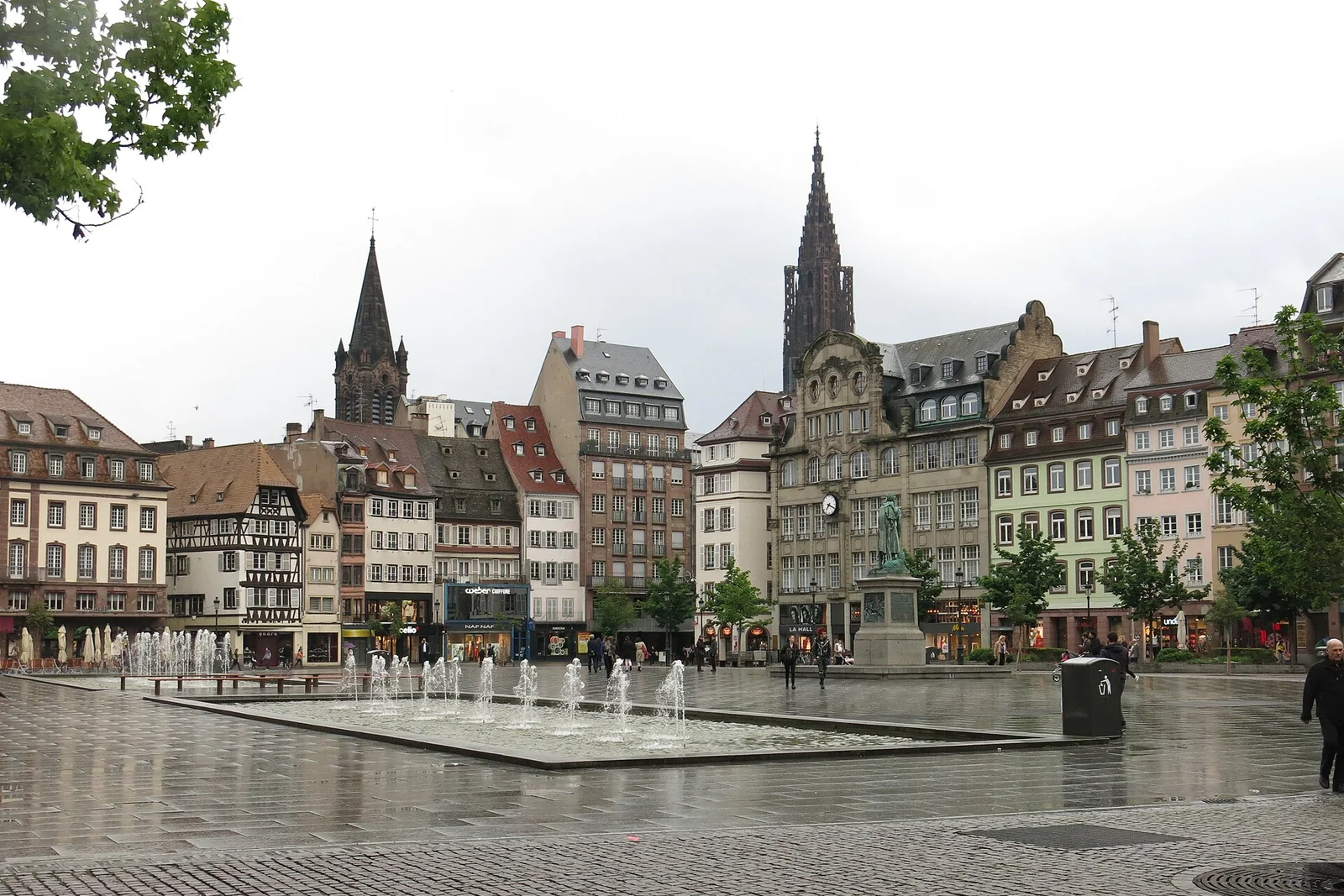
Strasbourg: two urban worlds in one historic ensemble
Strasbourg belongs because its UNESCO property makes urban history visible across the Grande-Île and the Neustadt. The original property, inscribed in 1988, centred on the historic island around the cathedral; the extension adds the Neustadt, designed and built under German administration between 1871 and 1918. UNESCO classifies the cultural property under criteria (ii) and (iv). Read together, the two areas form a Rhineland European city rather than two unrelated historic districts.
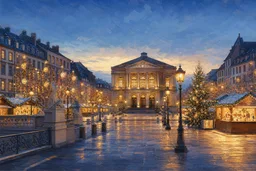
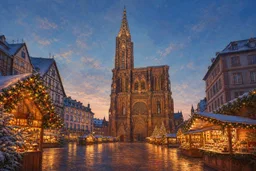
The cathedral remains the organising landmark, its silhouette connected to the Rhine’s ancient riverbed and the city’s waterways. Around it, an intact medieval parcel system contains Renaissance private residences and the French classical Palais Rohan. In the Neustadt, Haussmannian planning influences combine with a Germanic architectural idiom and the theories of Camillo Sitte, producing a modern, functional urban project with monumental perspectives. This layered composition distinguishes Strasbourg from a cathedral-centred old town whose significance ends with the medieval core. The property also records political and cultural shifts as the city’s status changed between the Holy Roman Empire, the Kingdom of France and regional-capital roles. The Grande-Île and Neustadt retain their contrasting chronological stages, including the Place de la République, the imperial axis and major public buildings.