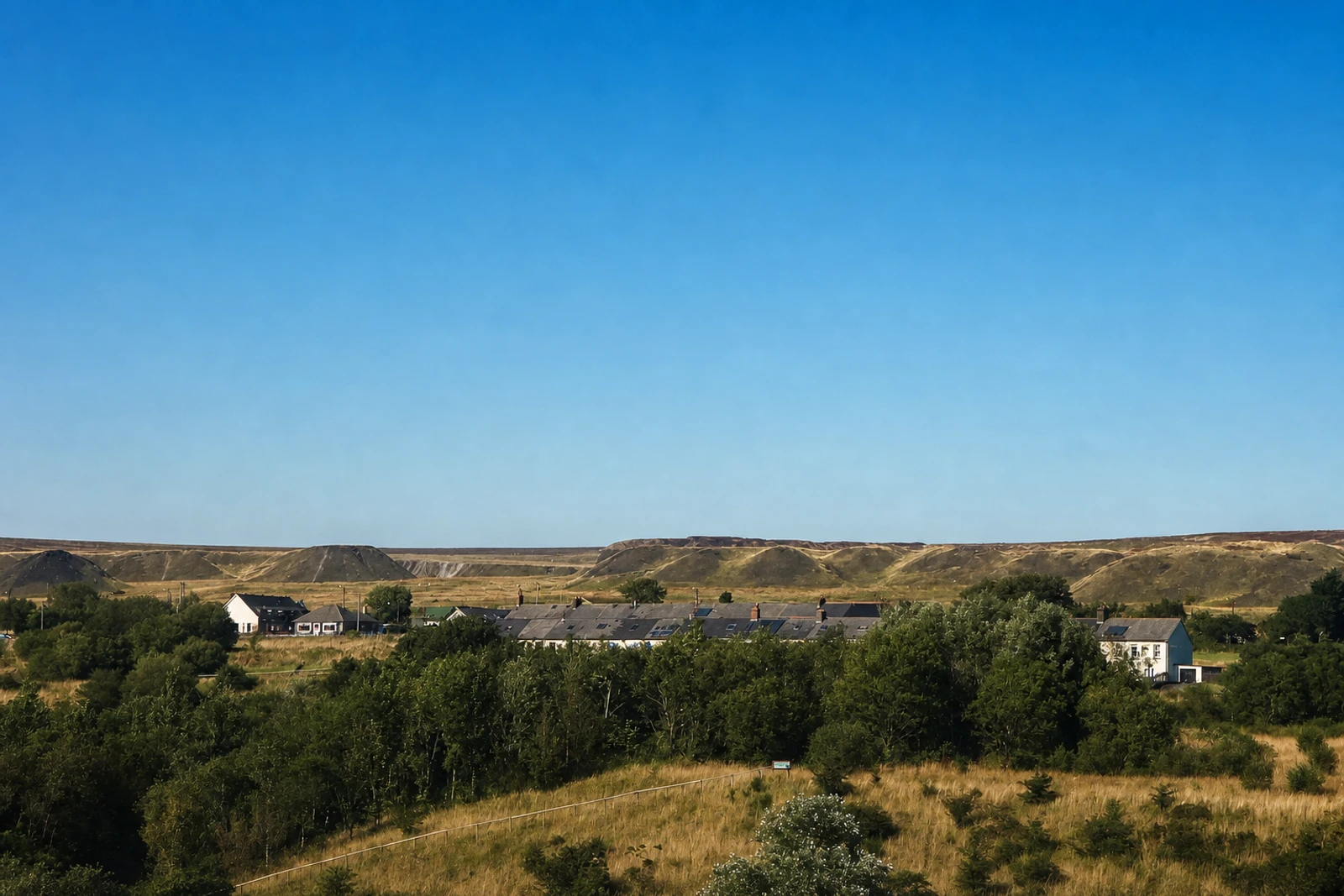
Blaenavon: an industrial valley in working order
Blaenavon belongs on this map because it brings the principal elements of iron-and-coal industrialisation into one legible South Wales landscape. Its story is not limited to the preserved Blaenavon Ironworks or Big Pit: coal and ore workings, quarries, transport routes, furnaces, settlement and community buildings remain part of the property’s evidence. The parallel development of iron making and coal mining explains why the valley is read as a complete industrial system rather than as a collection of ruins.
The Ironworks, dating from about 1789, retains late 18th-century and later 19th-century furnace remains, two casting houses, calcining kilns, blast-engine infrastructure and the water balance tower of 1839. Big Pit adds a different kind of encounter: its surface buildings and winding gear remain closely associated with the mine’s final working period, while underground workings can be seen on guided tours. Those details distinguish Blaenavon from a single preserved factory or isolated colliery.
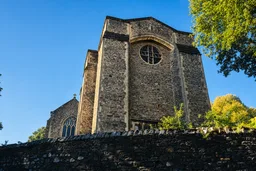
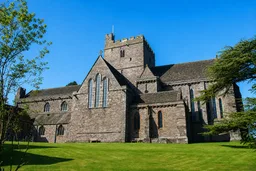
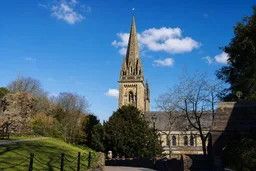
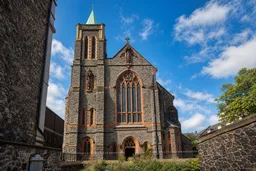
The nearby town is essential to the property’s meaning. Terraced workers’ housing, St Peter’s Church, the Workmen’s Hall and St Peter’s School show how industrial production shaped social structure and community life. The school now serves as a World Heritage Interpretation Centre. Plan for a half day, use Abergavenny as the nearest practical rail gateway, and remember that local bus or taxi connections serve a dispersed landscape. Check individual museums and attractions before setting out.