Causses and Cévennes: a working pastoral mountain landscape
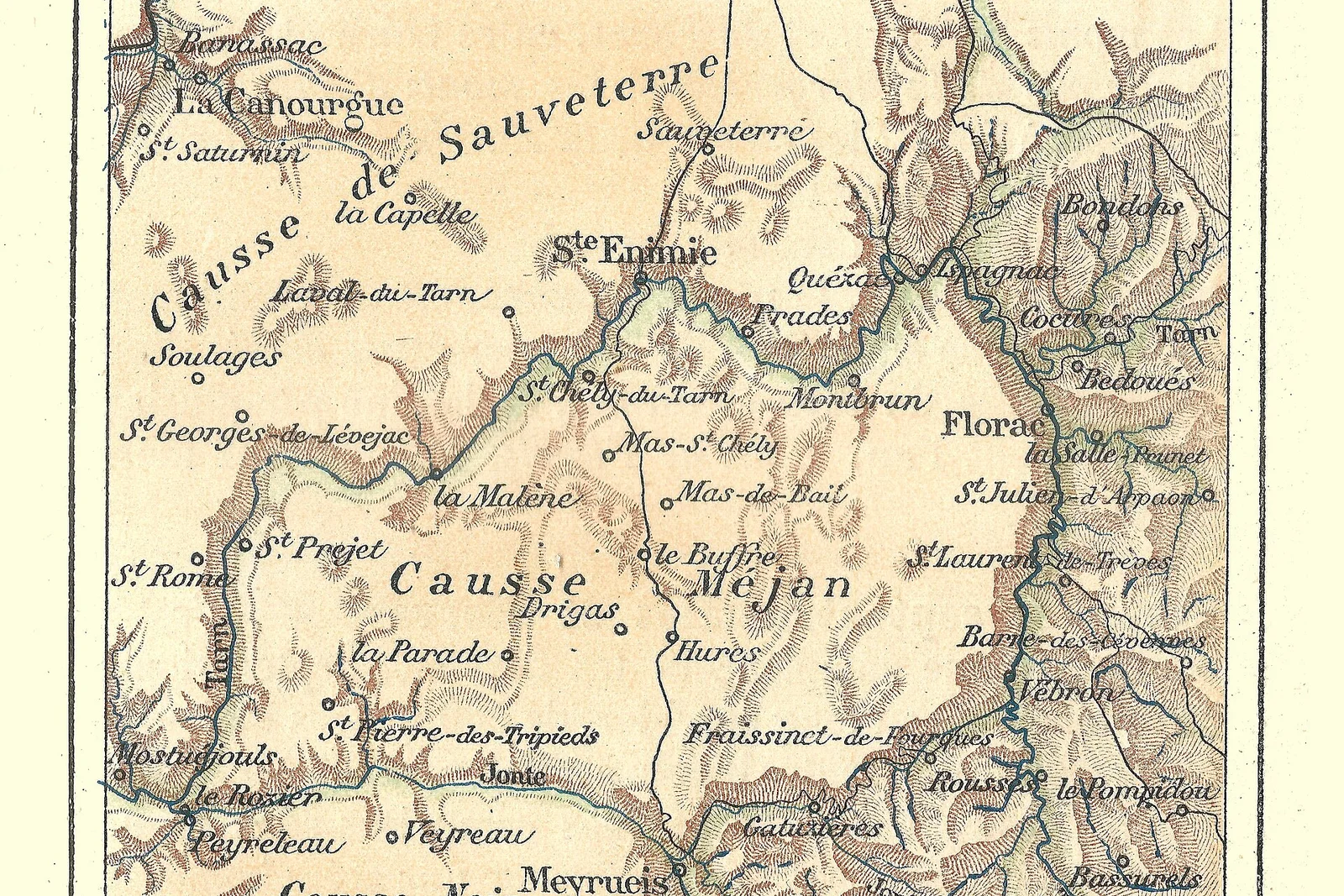
The Causses and the Cévennes belong because their World Heritage value is found in a cultural landscape shaped by agro-pastoralism, not in one isolated monument. Covering 302,319 hectares in southern central France, the property combines uplands, deep valleys, villages, stone farmhouses, terraces and drove roads. UNESCO inscribed it in 2011 under cultural criteria (iii)(v).
Its defining subject is the long relationship between pastoral systems and their physical environment. The property demonstrates agro-pastoralism, silvi-pastoralism, transhumance and sedentary pastoralism, with local breeds of sheep and social structures reflected in farms, fields, settlements, water management and open grazed common land. Mont Lozère is identified as one of the places where summer transhumance continues in the traditional way along drailles.
This is not simply a mountain nature destination, nor should it be confused with a landscape preserved because human activity has disappeared. Its authenticity depends partly on surviving practices, while its integrity is vulnerable where terraces are no longer managed, drove roads become overgrown and water systems are maintained only in places. The property’s pastoral tradition has been revitalised, but UNESCO describes it as dependent on very few farmers. Details such as walls, terraces, bergeries, watercourses and route-like drailles are therefore evidence of a living yet pressured system.