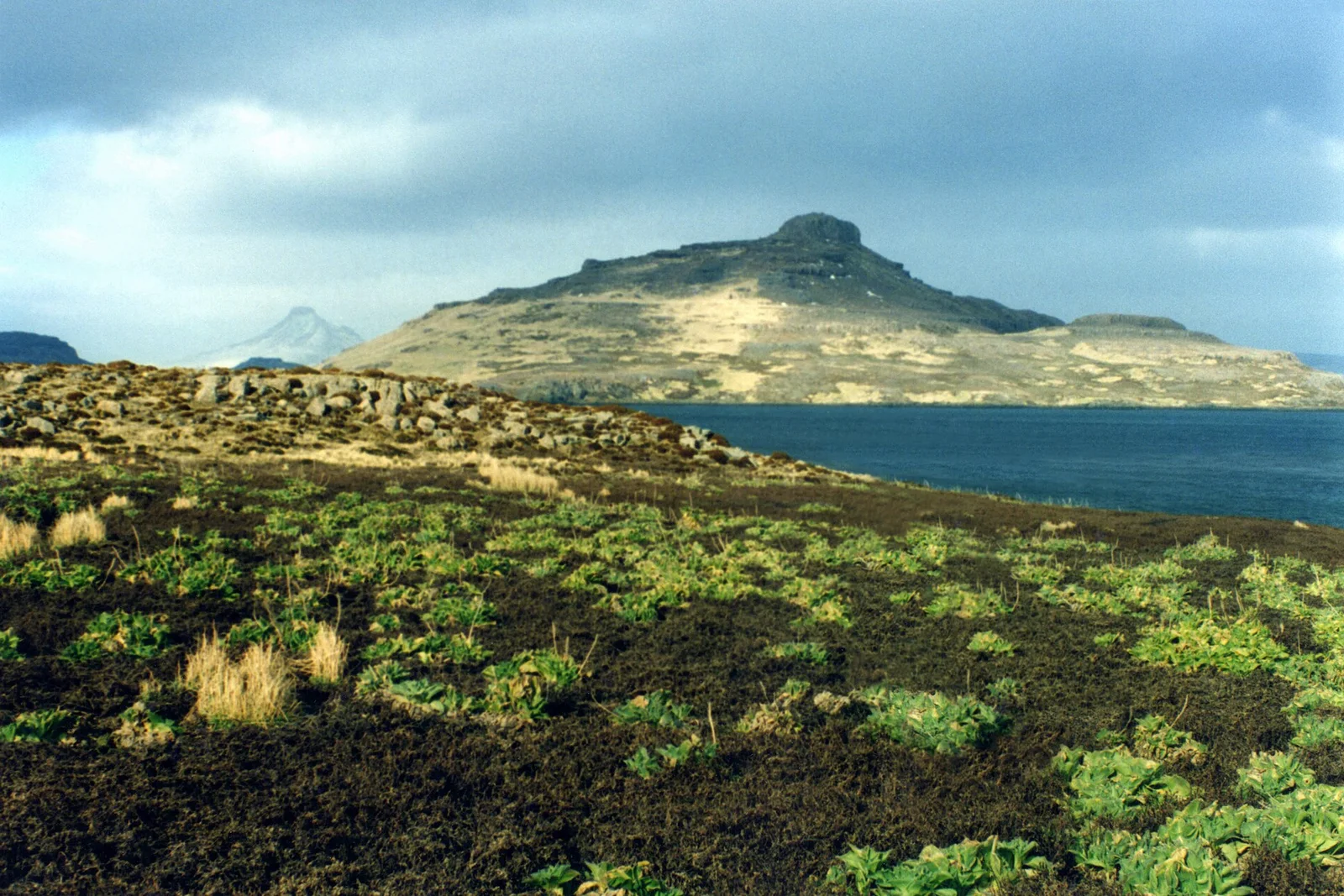
The remote ocean world of the French Austral Lands and Seas
The French Austral Lands and Seas belongs because it extends France’s UNESCO heritage far beyond the mainland. This serial natural property comprises the Crozet Archipelago, the Kerguelen Islands, Saint-Paul and Amsterdam Islands and 60 small sub-Antarctic islands. Located between the 37th and 50th parallels south, it covers more than 1,662,000 square kilometres and lies thousands of kilometres from any continent. Its scale and remoteness are essential to understanding the inscription.
The property is distinguished by the relationship between ocean conditions and wildlife. The convergence of three ocean fronts and large continental shelves creates extremely productive waters and a rich food web in the Southern Ocean. These conditions support one of the world’s highest concentrations and diversities of marine birds and mammals. UNESCO records over 50 million birds of up to 47 species, including the world’s largest populations of King Penguins and Yellow-nosed Albatrosses, alongside endemic species such as the Amsterdam Albatross.
Unlike the Gulf of Porto, this is not a compact coastal reserve to interpret primarily through cliffs, scrubland and clear waters. It is a vast marine and island system protecting ecological processes, breeding areas and biodiversity, with significance for scientific research and long-term monitoring of global change. The French Austral Lands and Seas are managed through a nature reserve and scientific commitment. The map’s record should be read as a representative identity for a three-part, ocean-scale property, not as an ordinary access point.