Syracuse and Pantalica: city, theatre and rock-cut tombs
Syracuse and the Rocky Necropolis of Pantalica belongs on this map because it joins two very different settings into one cultural record. Ancient Syracuse includes Ortygia, its historic centre and an island inhabited for around 3,000 years, together with the archaeological area of Neapolis. Pantalica lies 40 km away on a rocky outcrop. UNESCO treats the property as a serial inscription with three component parts, recognising a cultural and architectural history extending from the ancient Greek period to the Baroque.
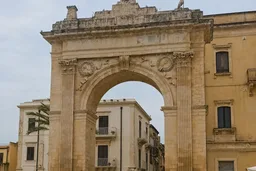
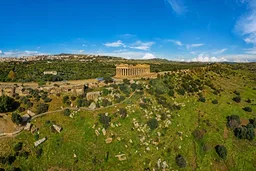
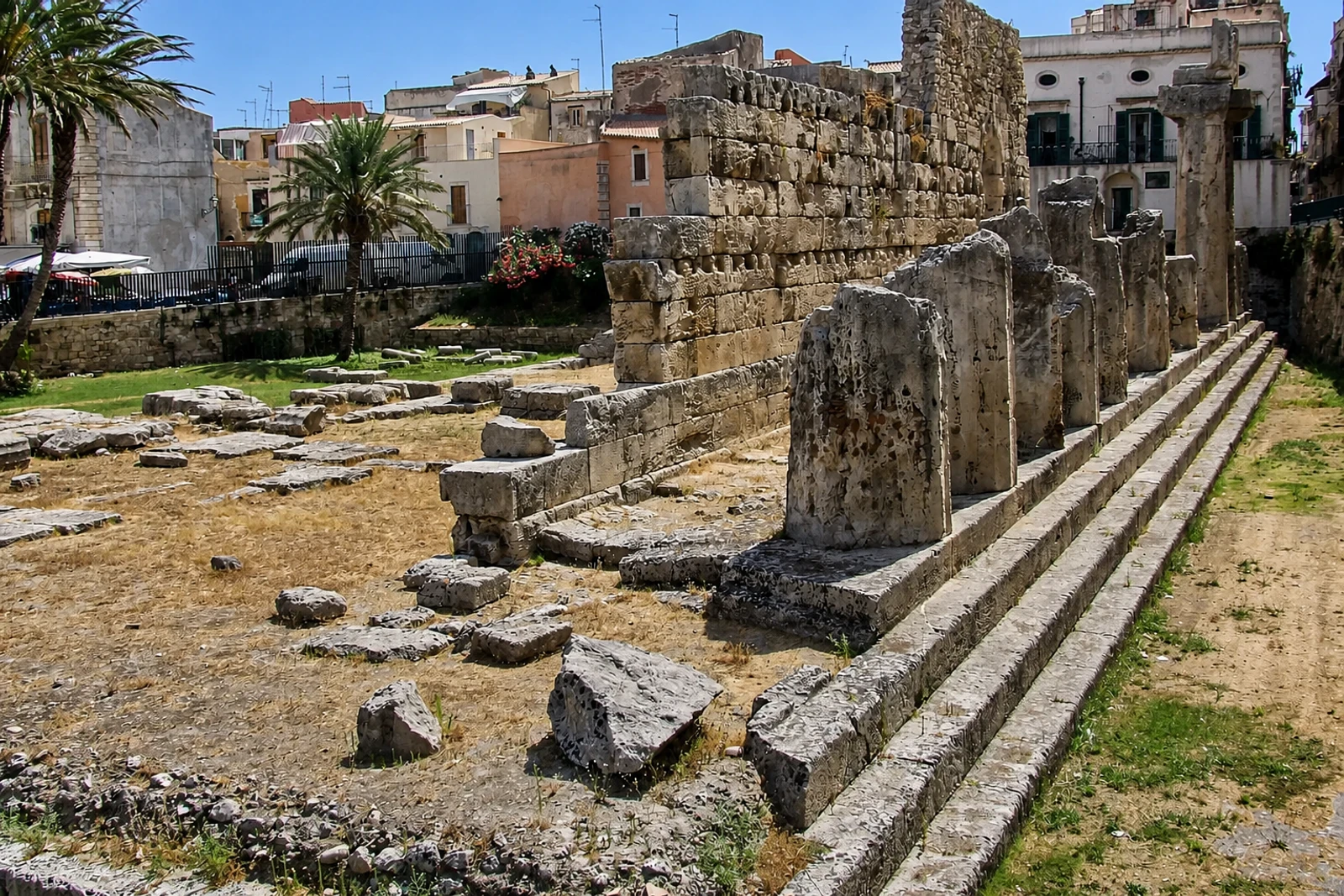
Ortygia and Neapolis are distinguished by visible urban and monumental layering. Ortygia contains the Doric Temple of Apollo and the Temple of Athena, later reused as a church and rebuilt as a Baroque cathedral. Neapolis includes a Greek theatre, Roman amphitheatre, sanctuaries, Latomies and the so-called Tomb of Archimedes. Across the historic city, Greek, Roman, Byzantine, Arabo-Muslim, Norman, Hohenstaufen, Aragonese, Bourbon and Kingdom of the Two Sicilies influences remain legible. The property is therefore broader than a Greek archaeological site alone.
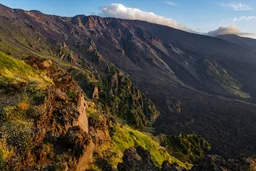
Pantalica provides the essential contrast. More than 5,000 tombs are cut into rock near open quarries, most dating from the 13th to 7th centuries BC, with associated dwellings and the foundations of the Byzantine Anaktoron, or Prince’s Palace. The necropolis’s rocky villages and landscape are recorded as intact, while Syracuse’s main historic and archaeological structures are well preserved within an urban setting. Plan the two elements as distinct experiences and verify current local access, rather than assuming that one city-centre visit represents the whole inscription.