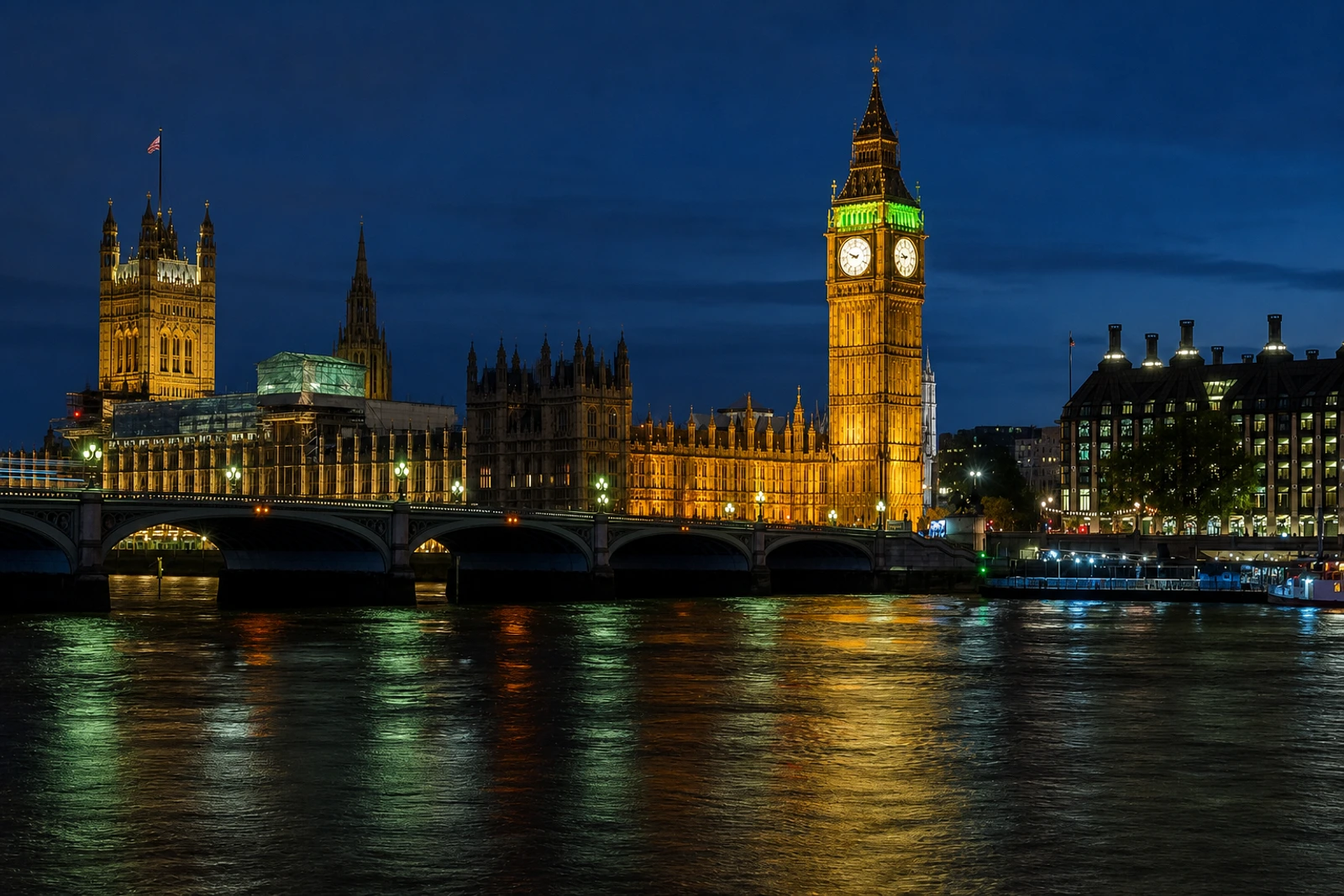
Westminster’s working Gothic ensemble
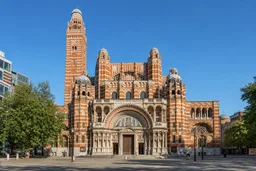
This exact property belongs on the map because it is an ensemble, not simply a reference to the Palace or the Abbey. Beside the River Thames in central London, the Palace of Westminster, Westminster Abbey and Saint Margaret’s Church bring together the continuing histories of monarchy, religion and parliamentary government. Westminster Palace, rebuilt from 1840 on medieval remains, is a major neo-Gothic work, while the Abbey presents successive phases of English Gothic art and architecture.
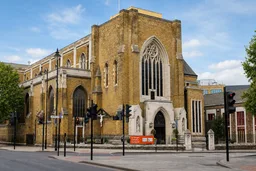
The distinctions within the group are worth noticing. Westminster Hall is a Perpendicular monument with a notable oak roof; the Abbey remains a place of worship, coronation, royal burial, national celebration and memorial; Saint Margaret’s is the smaller medieval Perpendicular church and has served as the parish church of the Palace of Westminster since 1614. The Palace remains the seat of Parliament, so this is not only a preserved historic scene.
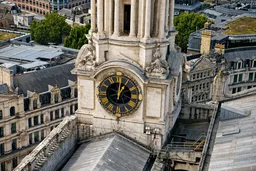
The internationally recognisable silhouette is part of the property’s identity, as is its position beside the Thames. A visit should therefore look beyond the most familiar tower or façade to the relationship between the three principal buildings, their scale, their architectural references and their continuing functions. The map’s reviewed anchor is practical for a half-day visit, with Westminster the nearest practical rail gateway; Parliament tours and Westminster Abbey should be prebooked.