Taputapuātea: where marae, lagoon and island history meet
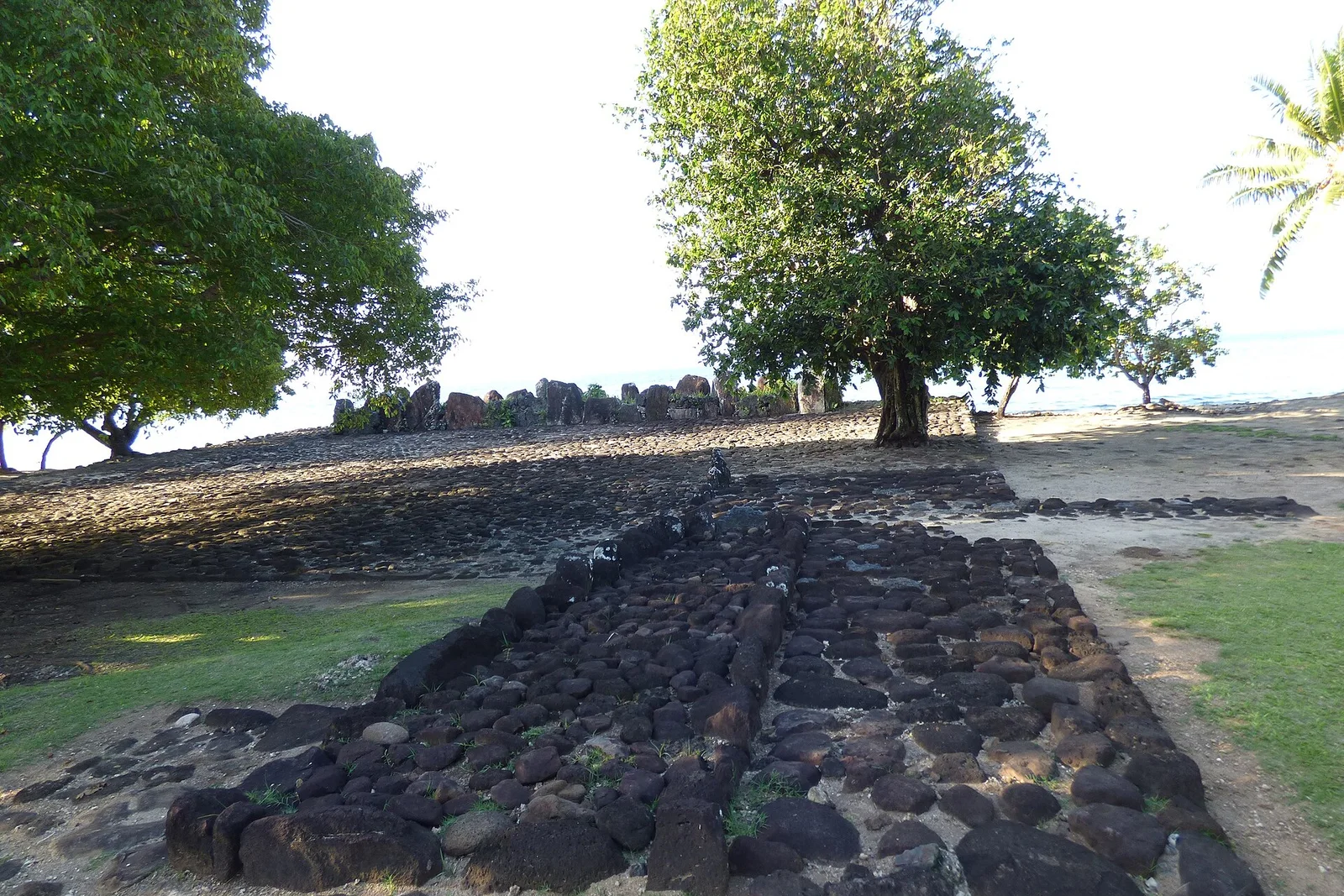
Taputapuātea belongs because its heritage is a cultural landscape and seascape on Raiatea, not an isolated ceremonial ruin. Inscribed in 2017 as a cultural property under criteria (iii) and (iv), it lies within the Polynesian Triangle and includes two forested valleys, part of a lagoon and coral reef, and a strip of open ocean. At its centre, the Taputapuātea marae complex served political, ceremonial, funerary and religious functions. The property’s position between land and sea is essential to understanding it.
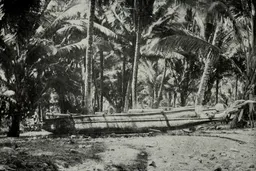
Marae are sacred ceremonial and social spaces; in the Society Islands they take the form of paved quadrilateral courtyards with a rectangular ahu platform. Taputapuātea itself, dedicated to the god ‘Oro, expresses the meeting of the living world, Te Ao, with ancestors and gods, Te Po, as well as political relationships. The wider setting adds a sacred reef pass, the seabird habitat of Atāra motu, and the forested valleys of ’Ōpo’a and Hotopu’u, where older marae, agricultural terraces and habitation traces survive. This makes the property different from a monument visit focused only on visible stonework. It also records ocean navigation, outrigger-canoe building, alliances among islands and the social contrast between upland farmers and coastal chiefs, warriors and priests.