Te Henua Enata: Marquesan valleys, archaeology and living nature
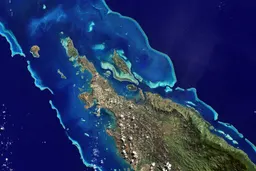
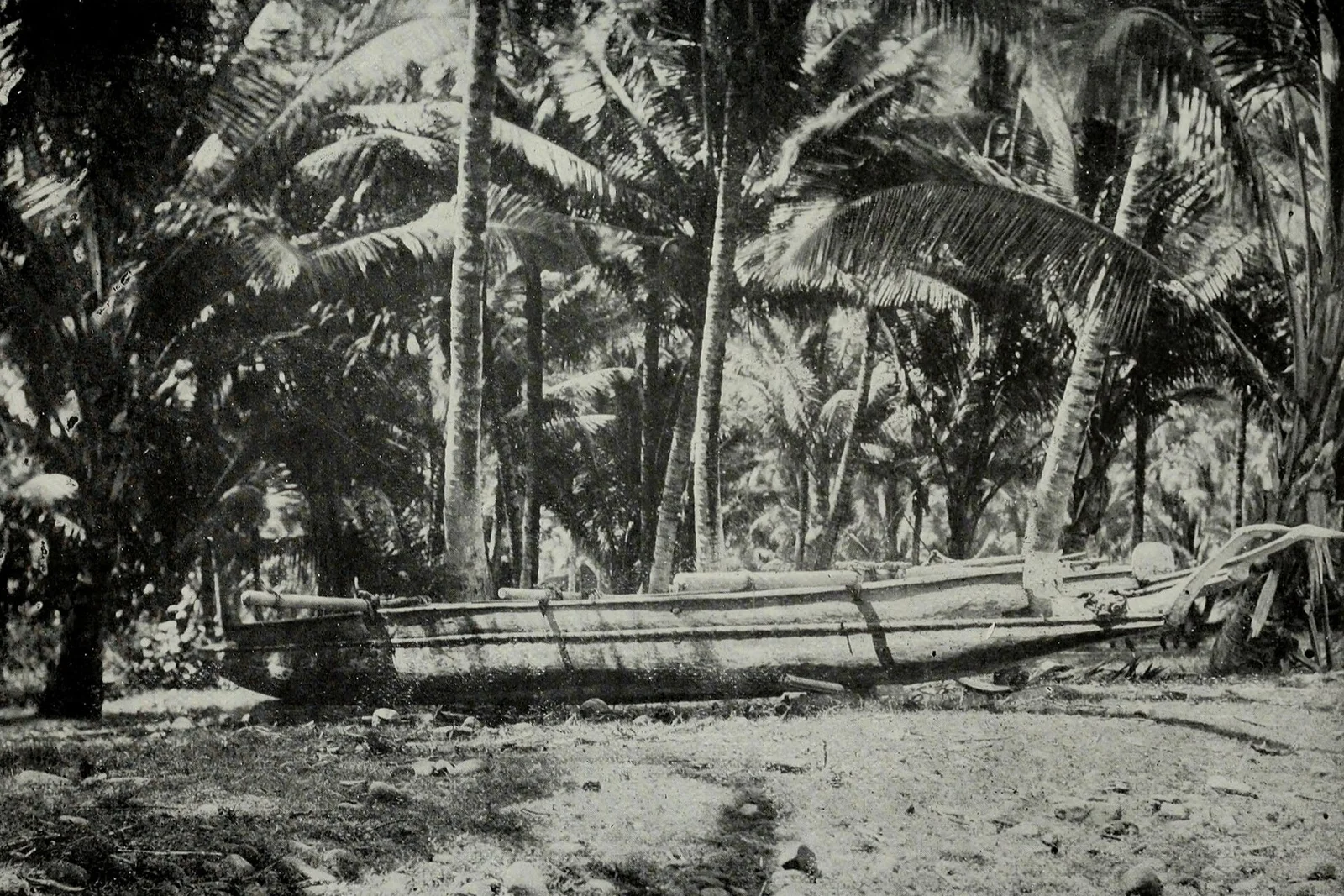
Te Henua Enata – The Marquesas Islands belongs because its UNESCO meaning combines human settlement with unusually intact island ecosystems. Inscribed in 2024 as a mixed serial property under criteria (iii), (vii), (ix) and (x), it comprises seven sites across one of the most isolated archipelagos in the South Pacific. Sharp ridges, high peaks, cliffs and deep valleys form the physical setting for archaeological evidence of a seafaring civilisation that arrived around 1000 CE and developed across the islands between the 10th and 19th centuries.
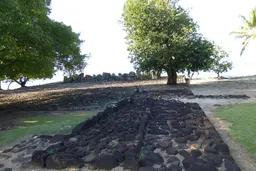
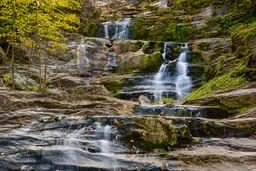
The valleys are not simply scenic backdrops. They functioned as spatial and symbolic units of governance for Ènata chiefdoms, stretching from ridges to coastline and sea. Dense forest can conceal remains, including dry-stone paepae platforms, gathering places, sacred spaces, tiki sculptures and petroglyphs. The property is also a biodiversity hotspot, with endemic terrestrial and marine species ranging from plants and seabirds to molluscs and freshwater fish. Its waters lack the coral reefs typical of many eastern Pacific oceanic islands and are described as virtually free from human exploitation, supporting rays, dolphins, nesting seabirds and apex predators. That combination distinguishes the Marquesas from a purely archaeological property or a conventional tropical nature reserve. Living Marquesan language, stories, knowledge and traditions continue to connect modern communities with these landscapes.