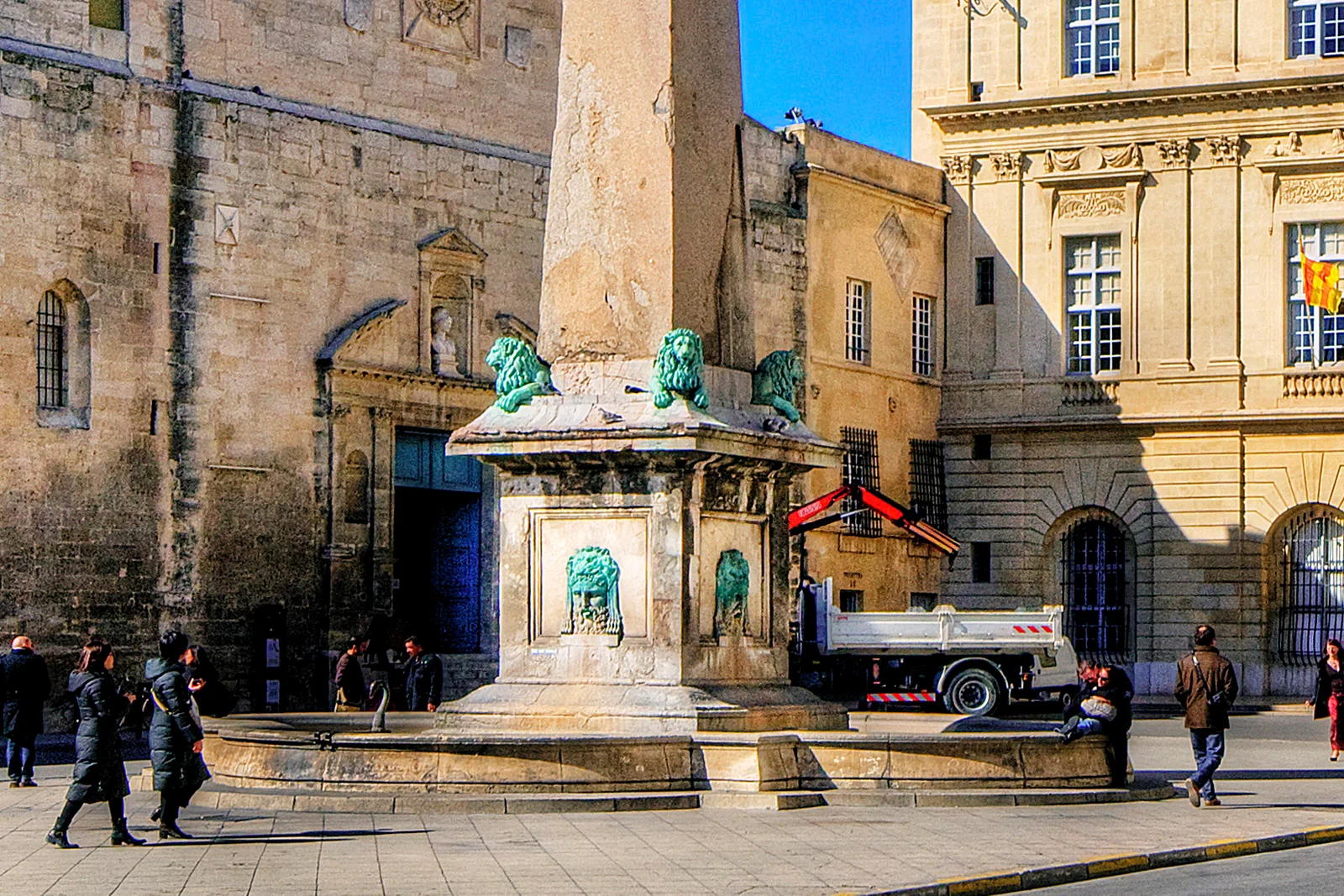
Arles: Roman monuments reworked by a medieval city
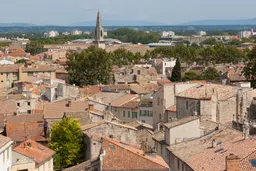
Arles belongs because its World Heritage value is urban and layered. On the Rhône in Provence-Alpes-Côte d’Azur, the property was inscribed in 1981 under cultural criteria (ii)(iv). Its defining achievement is the adaptation of an ancient city to medieval European civilisation, with monuments, streets and public spaces continuing through successive phases rather than being preserved as an isolated archaeological enclosure.
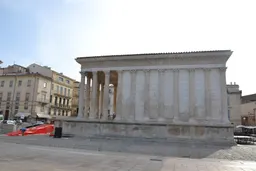
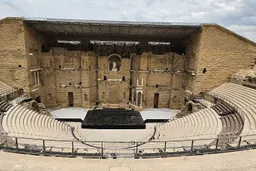
The Roman inheritance includes the arena, Roman theatre and cryptoporticus, dating from the 1st century BC and 1st century AD. Later evidence includes the baths of Constantine and the Alyscamps necropolis. The medieval city did not merely sit beside these remains: the amphitheatre became a fortress, the baths were converted into a count’s palace, and the historic centre retained a medieval urban form within its defensive walls.
Saint-Trophime and its cloister provide the clearest contrast with the Roman monuments. They are major works of Provençal Romanesque art, and their portal and sculpture show how Antiquity continued to influence medieval artistic language. Notice the property’s scale: its boundaries correspond to the historic centre, covering 65 hectares, with eight major protected buildings among a much larger group of historic monuments.