Bordeaux, Port of the Moon: an inhabited city shaped by exchange
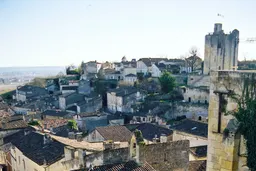
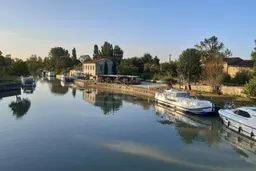
Bordeaux, Port of the Moon belongs to the map as a living historic city rather than a single monument. The south-western port property was inscribed in 2007 under cultural criteria (ii)(iv), recognising more than two thousand years of exchange and an urban and architectural ensemble shaped especially by transformations from the early 18th century onwards. Its identity remains connected to commerce and to its role as the capital of a wine-producing region.
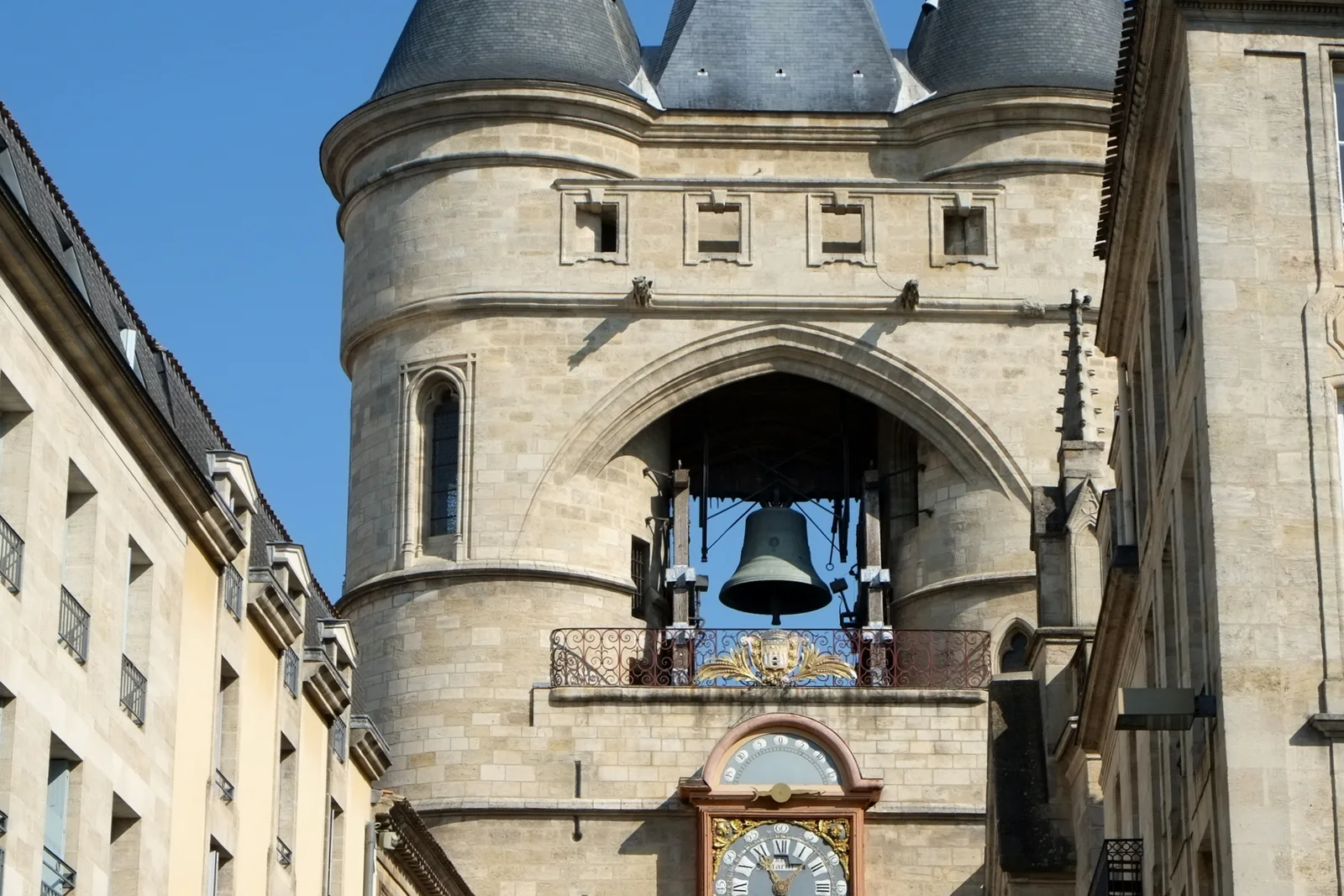
The key distinction is continuity of urban form. Bordeaux’s plans and architecture record extensions and renovations from Roman times to the 20th century, while classical and neoclassical ensembles give the city a notable unity without a stylistic rupture over more than two centuries. The port’s continuing function as a place of exchange helps explain why the designation covers an inhabited historic city rather than a preserved period scene.
Worth noticing is how the city’s history can be read spatially: the harbour town’s successive stages remain legible in its plan, from the Roman castrum through later development. The historic town has 347 listed buildings, and its protection combines a preservation and enhancement plan, a buffer zone and shared responsibilities among national, regional and local authorities. This is a city to interpret through streets, buildings and spaces together.