Chartres Cathedral: a complete Gothic visual language
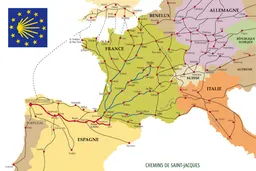
Chartres Cathedral belongs for the unusual unity of its architecture, sculpture, painting and stained glass. Partly begun in 1145 and reconstructed after the fire of 1194, it became a defining expression of early 13th-century Gothic art. Its vast nave, west façade, portals, towers and transept porches are not separate attractions but parts of an architectural and visual programme that also served a major pilgrimage dedicated to the Virgin Mary.
Compared with Reims, Chartres is less about a linked royal ensemble and more about the coherence of one cathedral and its decoration. The Royal Portail retains 12th-century sculpture, while the north and south entrances offer extensive Gothic sculpture from the transition beyond Romanesque traditions. The cathedral also preserves an exceptionally extensive body of stained glass, including windows made between approximately 1210 and 1250 and the large roses associated with the three façades.
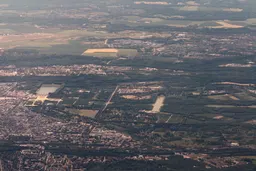
The details worth noticing extend beyond the famous blue glass. Sculpted portals, painted interior decoration and the relationship between the building and the Beauce Plain all contribute to the property’s identity. The silhouette is described as visible for more than 25 kilometres, making the cathedral a clear landscape marker. Later additions, including the 19th-century metal roof structure and contemporary stained-glass creation, form part of the building’s continuing history without erasing its Gothic character.