Burgundy’s Climats: when a vineyard parcel becomes an identity
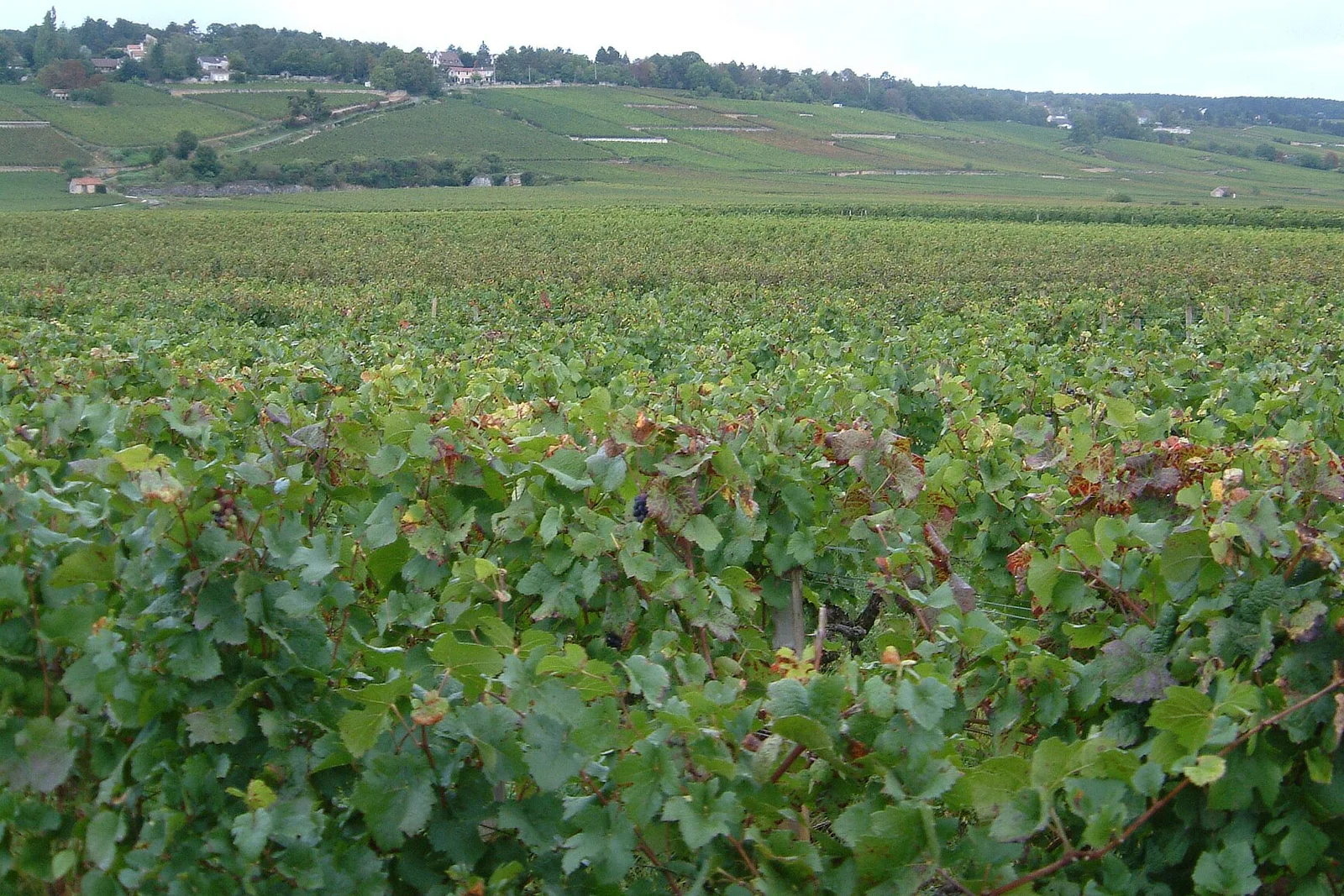
The Climats, terroirs of Burgundy are included because they show how a wine-producing territory can be organised around precisely delimited parcels. The cultural property has two component parts and was inscribed in 2015 under criteria (iii)(v). Its vineyard slopes extend along the Côte de Nuits and Côte de Beaune, south of Dijon, while Dijon’s historic centre and Beaune’s wine-trade role help explain the system around them.
A Climat is not simply a scenic vineyard or a broad wine region. The distinction rests on the close association between a parcel and the character of the wine produced from it. Geology, exposure, hydrology, atmosphere, soil, vine varieties and accumulated cultivation knowledge all contribute. The mosaic includes 1,247 precisely delimited Climats, associated especially with Pinot Noir and Chardonnay, and shaped through long interaction between local communities and their territory.
Look for the material signs of this parcel-based identity: walls, paths, fences, hedgerows and meurgers. They make boundaries visible and show how human labour subdivided the slopes. Dijon and Beaune are essential to the meaning of the property, not optional urban add-ons: the former represents political, regulatory and technical support, while the latter represents commerce. The Ducal Palace, Hospices of Beaune and Clos de Vougeot Château are tangible traces of those relationships. The property is a living viticultural system, so it should not be treated as a collection of unrelated tasting stops.