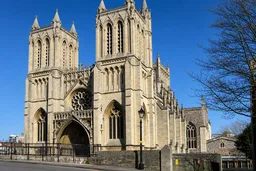
Bath, Somerset, United Kingdom•Bath, Somerset•Heritage
About this place
The Great Spa Towns of Europe is a transboundary cultural property shared by Austria, Belgium, Czechia, France, Germany, Italy and the United Kingdom.
Its eleven component towns are Baden bei Wien, Spa, Františkovy Lázně, Karlovy Vary, Mariánské Lázně, Vichy, Bad Ems, Baden-Baden, Bad Kissingen, Montecatini Terme and the City of Bath. UNESCO inscribed the property on the World Heritage List in 2021 under criteria (ii) and (iii).
All eleven towns developed around natural mineral-water springs.
Together, they bear exceptional testimony to the European spa phenomenon, whose highest expression came from around 1700 to the 1930s. The practice of “taking the cure” combined bathing, drinking and inhalation with a structured daily regime of medical treatment, exercise, entertainment and social activity. This model influenced the spatial organisation of spa towns and the design of buildings dedicated to health and leisure.
The property displays a distinctive group of spa structures, including baths, kurhaus and kursaal, pump rooms, drinking halls, treatment facilities, colonnades and galleries.
These were complemented by assembly rooms, casinos, theatres, hotels and villas, together with related infrastructure such as water-piping systems, salt production, railways and funiculars. Urban parks, gardens, promenades, sports facilities and woodlands formed carefully managed therapeutic and recreational environments, linking the buildings and public spaces with their surrounding landscapes.
The towns embody an interchange of ideas in medicine, science, balneology and leisure activities.
Physicians, architects, designers and gardeners shaped the built and natural settings of spa life, while the resorts adapted to changing tastes, sensitivities and requirements. Their parks and promenades supported exercise, relaxation and social interaction, including the tradition of “seeing and being seen”. The series illustrates successive stages in the development of the spa phenomenon, from influential eighteenth-century towns to nineteenth-century model resorts and early twentieth-century examples. Each component continues to function for the purpose for which it was originally developed, and the property’s boundaries encompass its spa buildings, social and accommodation facilities, related infrastructure and surrounding therapeutic and recreational landscapes.
Planning this visit: UK component is Bath; the other ten spa towns are outside the UK.
Nearest practical rail gateway: Bath Spa. Typical time on site: Full day. Reservation guidance: Book Roman Baths and spa experiences separately.
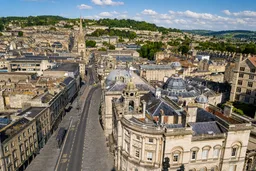
The City of Bath belongs to The Great Spa Towns of Europe, a single transnational serial property shared by seven countries and comprising eleven component towns. It was inscribed in 2021 as a cultural property under criteria (ii) and (iii). That structure is the reason Bath should not be counted as a standalone UNESCO spa property in this map. The UK visit point represents one part of a wider European story developed around natural mineral-water springs.
What distinguishes the property is the relationship between cure, city and landscape. Baths, pump rooms, drinking halls, treatment facilities, colonnades and galleries were joined by assembly rooms, theatres, hotels, villas, parks and promenades. The spa experience combined bathing, drinking or inhalation with medical routines, exercise, entertainment and social activity. In Bath, notice how the heritage idea extends beyond an individual building: the urban arrangement and managed recreational setting are essential to the property’s meaning.
The series records an international spa culture that reached its highest expression from around 1700 to the 1930s and reflects exchanges in medicine, balneology, architecture, design and gardening. Its component towns differ, but each continues to function for the purpose for which it was developed. For planning, Bath Spa is the practical rail gateway; allow a full day, and treat Roman Baths and spa experiences as separate bookings. The other ten towns are outside the UK.
UNESCO World Heritage Sites in Italy
The Great Spa Towns of Europe: Montecatini Terme in a continental system
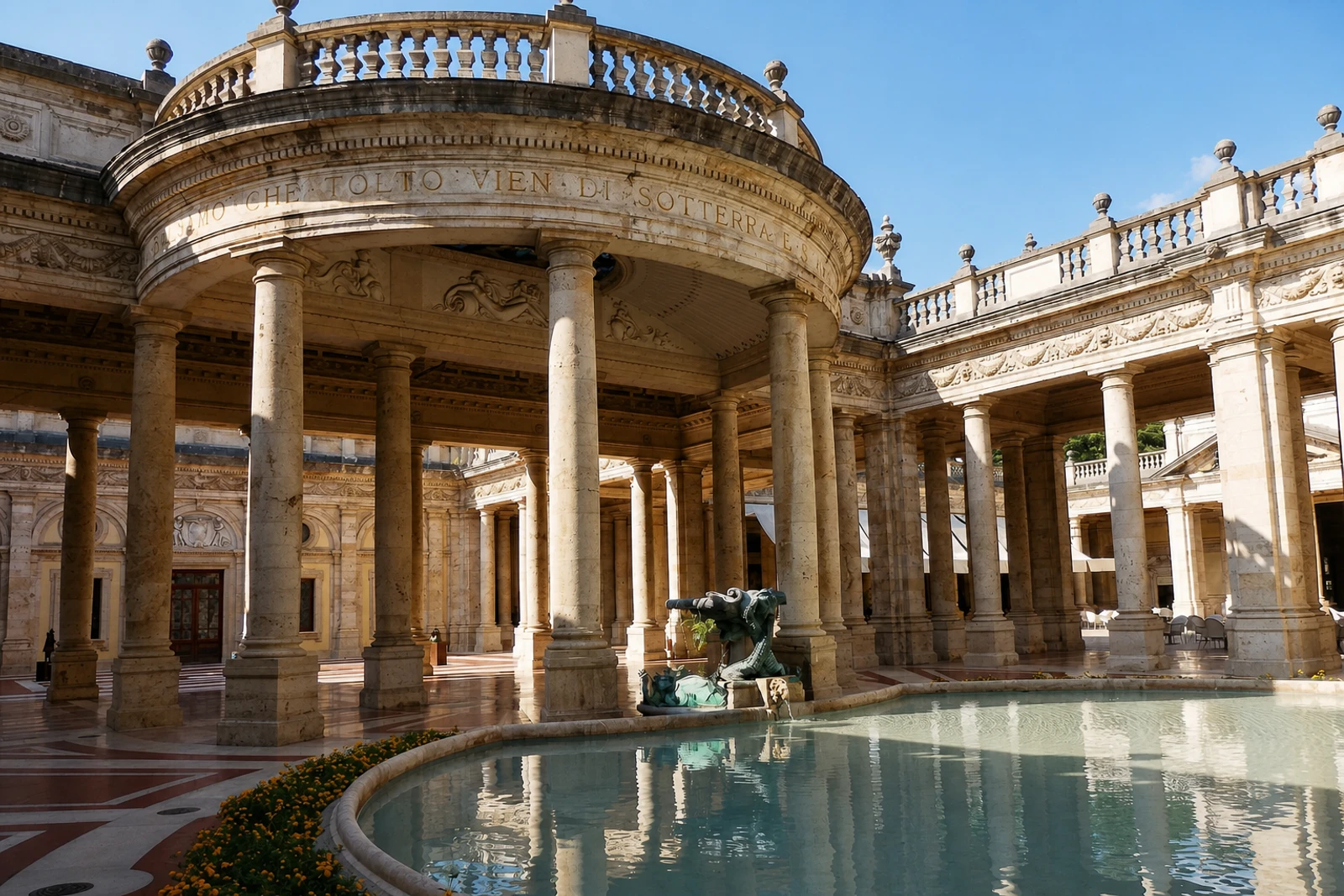
Montecatini Terme belongs here as Italy’s component of a much larger cultural property. The Great Spa Towns of Europe was inscribed in 2021 under criteria (ii) and (iii), bringing together eleven towns in seven countries. All developed around natural mineral-water springs, and the series records the spa phenomenon at its fullest expression from around 1700 to the 1930s. The Italian pin should therefore not be mistaken for a standalone Italian inscription.
The property is distinguished by an entire urban model rather than one type of building. Baths, pump rooms, drinking halls, treatment facilities, colonnades and galleries were joined by hotels, villas, theatres, casinos, assembly rooms and gardens. Parks, promenades, sports facilities and woodlands formed therapeutic and recreational settings, while water-piping systems and other infrastructure supported the spa economy. The built environment and landscape were planned together around health, leisure and social display.
This entry is especially useful for visitors interested in the movement of ideas. Physicians, architects, designers and gardeners shaped places where bathing, drinking or inhaling mineral water was combined with exercise, entertainment and a structured daily regime. Compare Montecatini Terme with Bologna or the theatres: here, public life is organised around mineral springs and spa culture, not a covered street network or a performance auditorium. UNESCO records that all eleven component towns continue to function for their original purpose.
UNESCO World Heritage Sites in France
Vichy and the European architecture of taking the cure
Vichy is France’s representative component of The Great Spa Towns of Europe, a transboundary serial property inscribed in 2021 under cultural criteria (ii)(iii). The record contains 11 spa towns in seven countries. Its inclusion is therefore not a claim that every historic spa belongs to the property, but recognition of a shared European urban culture built around natural mineral springs.
What distinguishes the property is the complete relationship between water, buildings, social life and landscape. Spa ensembles included baths, pump rooms, drinking halls, treatment facilities, colonnades and galleries, alongside hotels, villas, assembly rooms, theatres, casinos and gardens. Exercise and promenades were part of the structured experience of “taking the cure”, connecting therapeutic routines with leisure and public visibility.
Vichy should consequently be read as an urban spa environment rather than as a single thermal building. The wider series records an exchange of ideas in medicine, balneology, architecture, design and gardening from around 1700 to the 1930s. Its boundaries reflect spa structures, leisure facilities, accommodation, infrastructure and recreational landscapes, while buffer zones also protect spring catchments and settings. This makes the property different from a monument whose importance is concentrated in one structure: here, the connections between buildings, water and public space carry the meaning.
The Great Spa Towns of Europe is a transnational serial UNESCO World Heritage property comprising eleven spa towns in seven European countries, inscribed in 2021 under criteria (ii) and (iii). Developed around natural mineral-water springs, the towns express the European spa culture that flourished from around 1700 to the 1930s through distinctive architecture, urban planning, therapeutic landscapes and social facilities. This is one transnational UNESCO property. AnyMappy counts it once and shows only reviewed UK-side visit points on this Map.
The Great Spa Towns of Europe is a transboundary cultural property shared by Austria, Belgium, Czechia, France, Germany, Italy and the United Kingdom.
Its eleven component towns are Baden bei Wien, Spa, Františkovy Lázně, Karlovy Vary, Mariánské Lázně, Vichy, Bad Ems, Baden-Baden, Bad Kissingen, Montecatini Terme and the City of Bath. UNESCO inscribed the property on the World Heritage List in 2021 under criteria (ii) and (iii).
All eleven towns developed around natural mineral-water springs.
Together, they bear exceptional testimony to the European spa phenomenon, whose highest expression came from around 1700 to the 1930s. The practice of “taking the cure” combined bathing, drinking and inhalation with a structured daily regime of medical treatment, exercise, entertainment and social activity. This model influenced the spatial organisation of spa towns and the design of buildings dedicated to health and leisure.
The property displays a distinctive group of spa structures, including baths, kurhaus and kursaal, pump rooms, drinking halls, treatment facilities, colonnades and galleries.
These were complemented by assembly rooms, casinos, theatres, hotels and villas, together with related infrastructure such as water-piping systems, salt production, railways and funiculars. Urban parks, gardens, promenades, sports facilities and woodlands formed carefully managed therapeutic and recreational environments, linking the buildings and public spaces with their surrounding landscapes.
The towns embody an interchange of ideas in medicine, science, balneology and leisure activities.
Physicians, architects, designers and gardeners shaped the built and natural settings of spa life, while the resorts adapted to changing tastes, sensitivities and requirements. Their parks and promenades supported exercise, relaxation and social interaction, including the tradition of “seeing and being seen”. The series illustrates successive stages in the development of the spa phenomenon, from influential eighteenth-century towns to nineteenth-century model resorts and early twentieth-century examples. Each component continues to function for the purpose for which it was originally developed, and the property’s boundaries encompass its spa buildings, social and accommodation facilities, related infrastructure and surrounding therapeutic and recreational landscapes.
Planning this visit: UK component is Bath; the other ten spa towns are outside the UK.
Nearest practical rail gateway: Bath Spa. Typical time on site: Full day. Reservation guidance: Book Roman Baths and spa experiences separately.
The City of Bath belongs to The Great Spa Towns of Europe, a single transnational serial property shared by seven countries and comprising eleven component towns. It was inscribed in 2021 as a cultural property under criteria (ii) and (iii). That structure is the reason Bath should not be counted as a standalone UNESCO spa property in this map. The UK visit point represents one part of a wider European story developed around natural mineral-water springs.
What distinguishes the property is the relationship between cure, city and landscape. Baths, pump rooms, drinking halls, treatment facilities, colonnades and galleries were joined by assembly rooms, theatres, hotels, villas, parks and promenades. The spa experience combined bathing, drinking or inhalation with medical routines, exercise, entertainment and social activity. In Bath, notice how the heritage idea extends beyond an individual building: the urban arrangement and managed recreational setting are essential to the property’s meaning.
The series records an international spa culture that reached its highest expression from around 1700 to the 1930s and reflects exchanges in medicine, balneology, architecture, design and gardening. Its component towns differ, but each continues to function for the purpose for which it was developed. For planning, Bath Spa is the practical rail gateway; allow a full day, and treat Roman Baths and spa experiences as separate bookings. The other ten towns are outside the UK.
UNESCO World Heritage Sites in Italy
The Great Spa Towns of Europe: Montecatini Terme in a continental system
Montecatini Terme belongs here as Italy’s component of a much larger cultural property. The Great Spa Towns of Europe was inscribed in 2021 under criteria (ii) and (iii), bringing together eleven towns in seven countries. All developed around natural mineral-water springs, and the series records the spa phenomenon at its fullest expression from around 1700 to the 1930s. The Italian pin should therefore not be mistaken for a standalone Italian inscription.
The property is distinguished by an entire urban model rather than one type of building. Baths, pump rooms, drinking halls, treatment facilities, colonnades and galleries were joined by hotels, villas, theatres, casinos, assembly rooms and gardens. Parks, promenades, sports facilities and woodlands formed therapeutic and recreational settings, while water-piping systems and other infrastructure supported the spa economy. The built environment and landscape were planned together around health, leisure and social display.
This entry is especially useful for visitors interested in the movement of ideas. Physicians, architects, designers and gardeners shaped places where bathing, drinking or inhaling mineral water was combined with exercise, entertainment and a structured daily regime. Compare Montecatini Terme with Bologna or the theatres: here, public life is organised around mineral springs and spa culture, not a covered street network or a performance auditorium. UNESCO records that all eleven component towns continue to function for their original purpose.
UNESCO World Heritage Sites in France
Vichy and the European architecture of taking the cure
Vichy is France’s representative component of The Great Spa Towns of Europe, a transboundary serial property inscribed in 2021 under cultural criteria (ii)(iii). The record contains 11 spa towns in seven countries. Its inclusion is therefore not a claim that every historic spa belongs to the property, but recognition of a shared European urban culture built around natural mineral springs.
What distinguishes the property is the complete relationship between water, buildings, social life and landscape. Spa ensembles included baths, pump rooms, drinking halls, treatment facilities, colonnades and galleries, alongside hotels, villas, assembly rooms, theatres, casinos and gardens. Exercise and promenades were part of the structured experience of “taking the cure”, connecting therapeutic routines with leisure and public visibility.
Vichy should consequently be read as an urban spa environment rather than as a single thermal building. The wider series records an exchange of ideas in medicine, balneology, architecture, design and gardening from around 1700 to the 1930s. Its boundaries reflect spa structures, leisure facilities, accommodation, infrastructure and recreational landscapes, while buffer zones also protect spring catchments and settings. This makes the property different from a monument whose importance is concentrated in one structure: here, the connections between buildings, water and public space carry the meaning.