Lyon: a city whose layers remain side by side
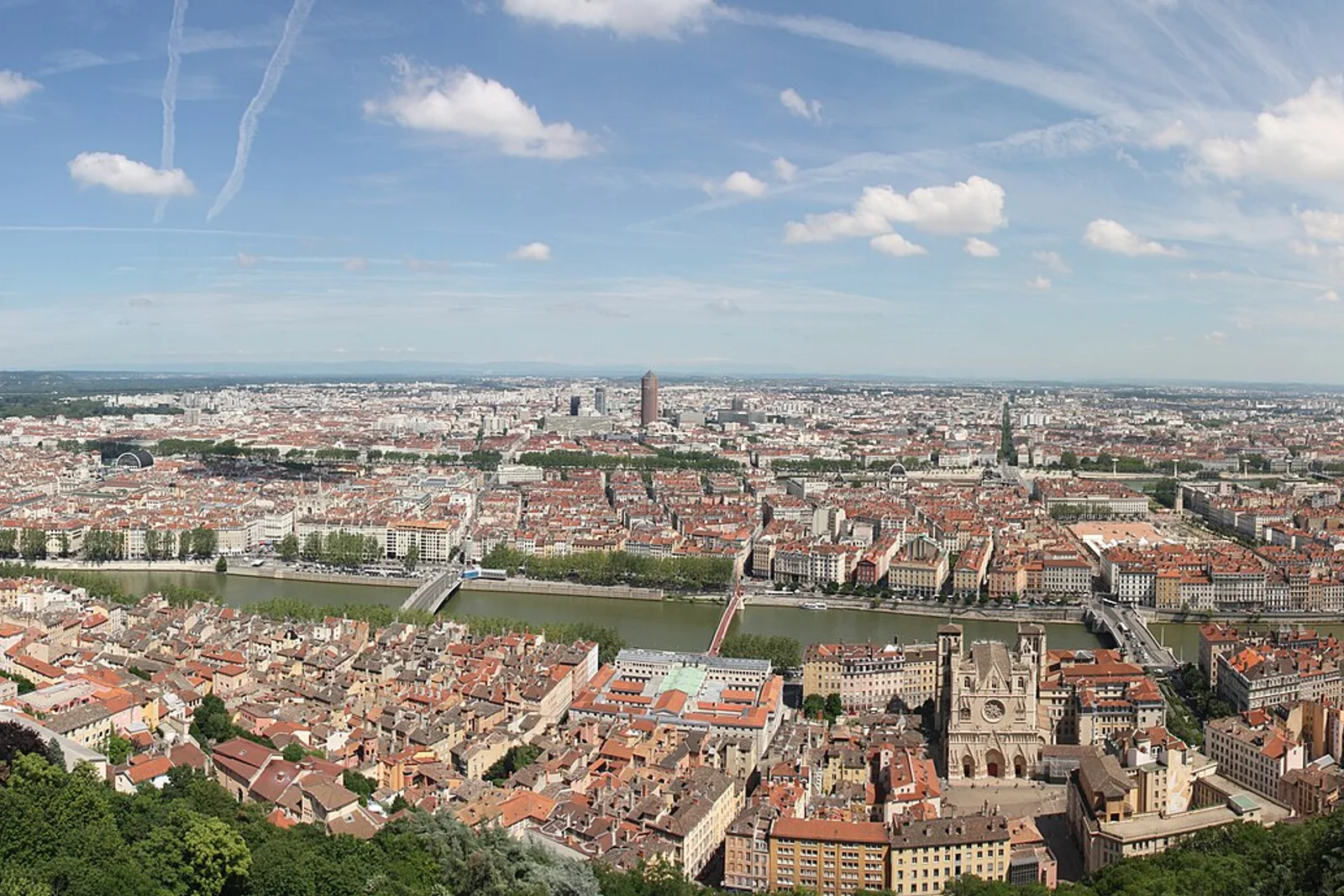
Lyon belongs on this map because its urban fabric makes more than two millennia of settlement visible. At the confluence of the Saône and Rhône, and between Fourvière and Croix-Rousse, the city retains evidence ranging from Roman Lugdunum to medieval streets, Renaissance dwellings and classical buildings. UNESCO’s cultural classification under criteria (ii)(iv) recognises both continuity and the city’s contribution to architectural and town-planning development.
Its distinction is spatial rather than monument-only. Lyon progressively expanded towards the east instead of repeatedly rebuilding over the same centre, helping preserve districts from different periods alongside one another. That arrangement separates it from a historic quarter defined by one dominant style. On Fourvière, notice the relationship between Roman remains, medieval streets and buildings such as the Manécanterie, Ainay Abbey Church and St John the Baptist Cathedral. In Vieux-Lyon, Renaissance houses provide another layer.
The slopes of Croix-Rousse introduce a different social and architectural register through the canut dwellings, including the House of 365 Windows and the Courtyard of the Voracious. Across the city, public buildings such as Hôtel de Ville, Hôtel-Dieu, Fourvière Basilica and Tony Garnier’s Weaving School show how religious, civic, hospitable, industrial and working lives shaped the fabric. Lyon was inscribed in 1998; continued occupation and redevelopment remain part of its conservation context.