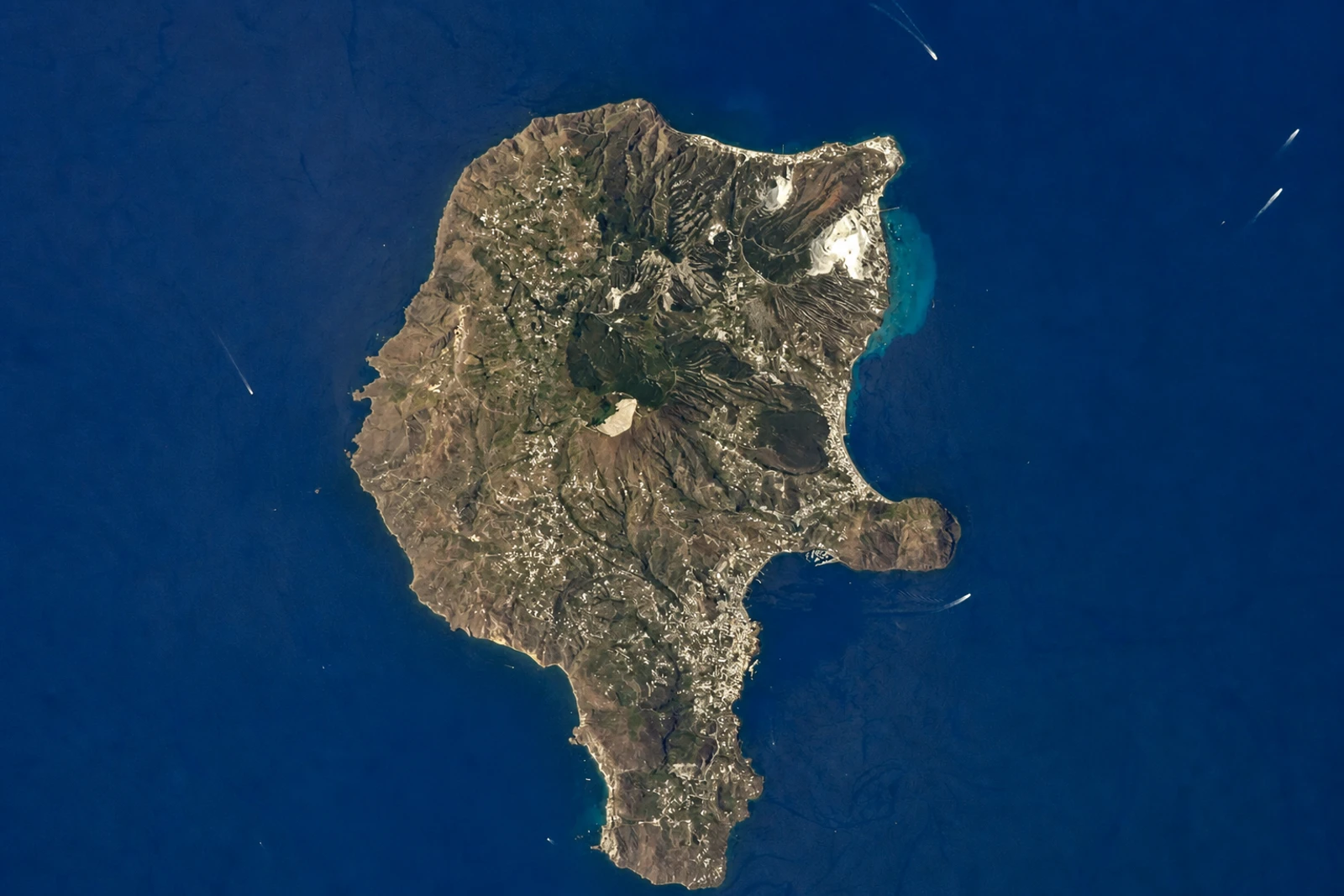
Aeolian Islands: a natural laboratory of volcanism
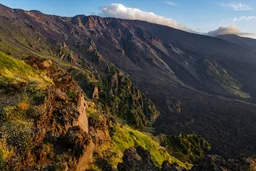
The Aeolian Islands belong because they represent a different kind of World Heritage from every urban property in this guide. UNESCO inscribed Isole Eolie as a natural property in 2000 under criterion (viii), recognising the islands as an outstanding record of volcanic island-building and destruction and of ongoing volcanic phenomena. The designation is therefore about geological processes and scientific value, not historic architecture, civic planning or artistic collections.
Their importance comes from what the islands make observable: volcanic activity that has shaped islands through construction and destruction. UNESCO identifies Vulcanian and Strombolian eruptions as examples supplied by the islands to the science of vulcanology. The property has been studied since at least the 18th century and has featured prominently in the education of geologists for more than 200 years.
This exact property should not be confused with a cultural landscape merely because it is visited as an island destination. Its significance is natural and process-based, and the record states that it continues to enrich vulcanology. On the map, it provides a necessary contrast with Rome, San Gimignano, Siena, Pienza, Urbino and Ivrea: those properties are read through buildings, streets, walls or social design, while the Aeolian Islands are read through landforms and continuing volcanic phenomena. Any visit planning should treat current conditions as changeable and consult current local information rather than assume that every volcanic feature or area has the same access.