Nice: the Riviera resort designed for winter life
Nice belongs because its World Heritage story is about the making of a resort city. On the Mediterranean between sea and mountains, the city developed through the arrival of winter visitors, especially from Britain, and the deliberate shaping of districts beyond the medieval town. UNESCO classifies the property as cultural under criterion (ii), recognising the fusion of British, Italian, French, Russian and other influences. Nice was inscribed in 2021.
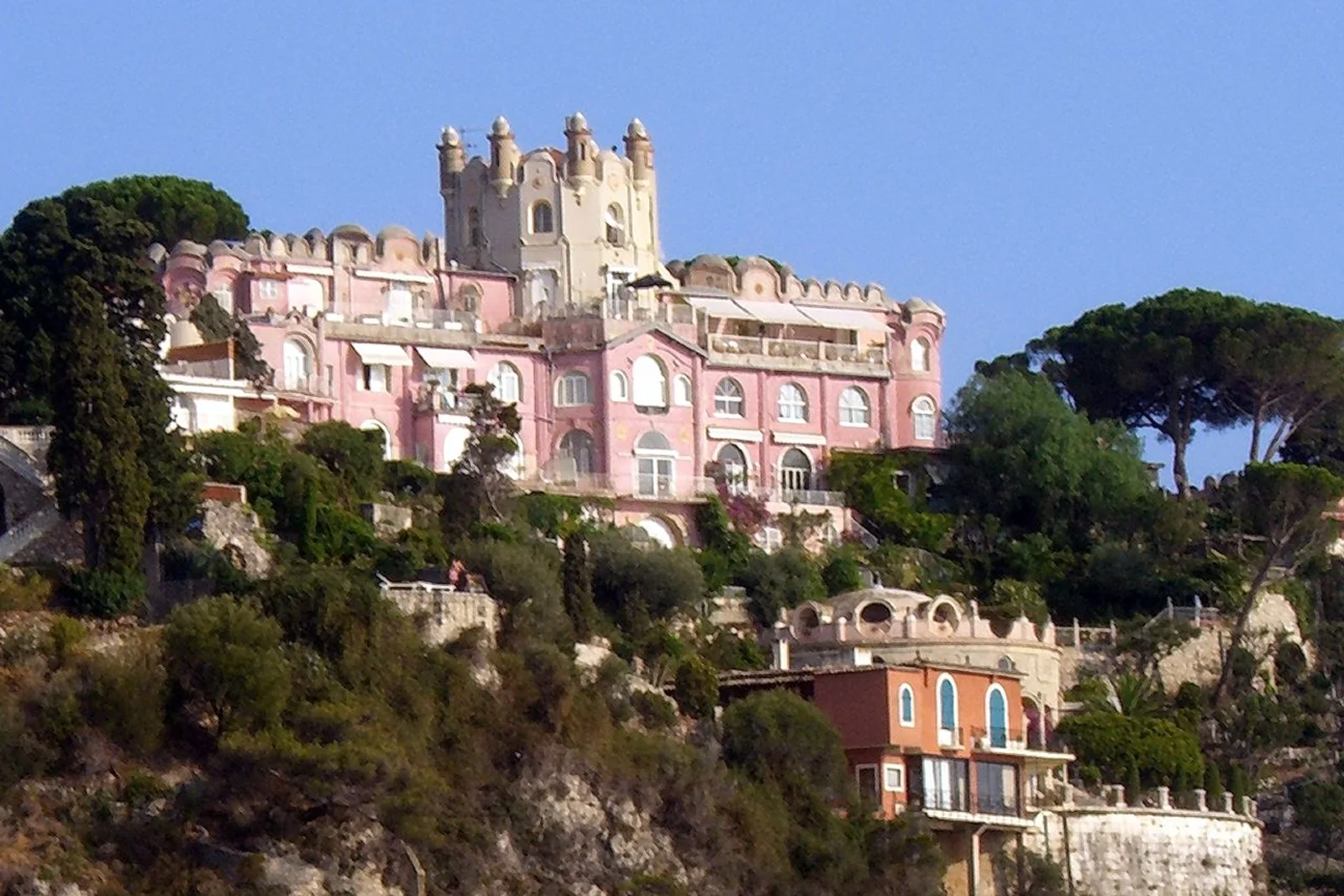
This is not simply a designation for the Promenade des Anglais or a collection of Belle-Époque façades. The property records successive planning phases, including the work of the Consiglio d’Ornato, established in 1832, and the urban configuration that followed. Hotels for travellers, villas and seasonal rentals served foreign residents, while imported styles—neo-classical, historicist, eclectic, Belle-Époque, neo-colonial, regionalist and Art Deco—were reinterpreted through local building and decorative crafts.
The details to notice are relationships: the amphitheatre facing the sea, views towards hills and water, promenades such as the Terrasse des Ponchettes, and a street grid that creates south-facing façades and space for gardens and acclimatised vegetation. The property’s historical scope ends with the winter-resort period represented through 1939; after the Second World War, summer tourism replaced the winter season. That boundary prevents a common mistake: treating all of modern Nice as equally representative of the inscribed resort landscape.