
.jpg)
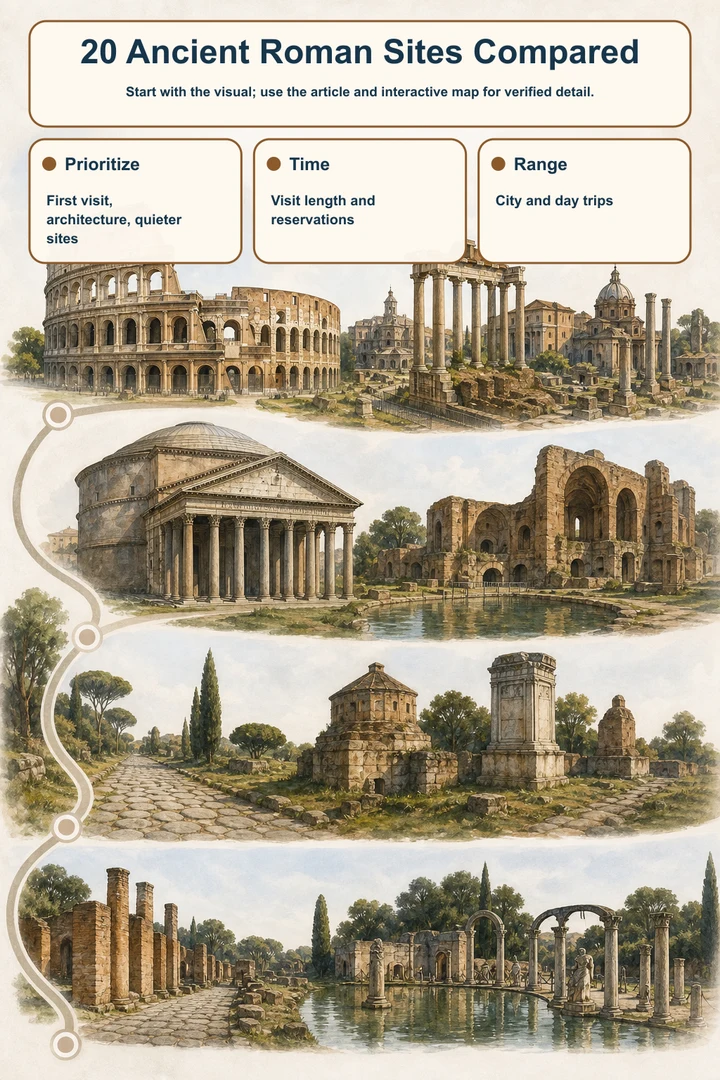
Start with the visual; use the article and interactive map for verified detail.
- PrioritizeFirst visit, architecture, quieter sites
- TimeVisit length and reservations
- RangeCity and day trips
Quick decision table
| Site | Best for | Visit time | Reservation / ticket | City or day trip | |---|---|---:|---|---| | Colosseum | First visit, iconic amphitheater | 75–90 min | Timed admission; buy through the official ticketing service | Rome | | Roman Forum | Republican and imperial context | 90–150 min | Included with eligible Colosseum/Forum-Palatine tickets | Rome | | Palatine Hill | Imperial palaces and views | 90–150 min with the Forum | Covered by eligible Forum-Palatine admission; check SUPER-site access | Rome | | Pantheon | Monumental architecture | 45–60 min | Separate admission; verify current rules | Rome | | Domus Aurea | Limited-access underground palace | 75–90 min | Limited guided access; advance booking is normally essential | Rome | | Baths of Caracalla | Monumental open-air ruins | 75–120 min | Separate ticket; events can change access | Rome | | Trajan’s Markets | Museum visit and architecture | 90–120 min | Municipal museum ticket | Rome | | Forum of Trajan | Imperial fora from the street | 30–45 min | Street viewpoints are free; archaeological access varies | Rome | | Forum of Augustus | Temple of Mars Ultor and free views | 20–30 min | Street viewpoints are free; interior access varies | Rome | | Circus Maximus | Chariot-racing setting and broad views | 30–60 min | Open valley generally free; some experiences require tickets | Rome | | Theatre of Marcellus | Exterior architecture and walking route | 20–40 min | Best appreciated from the public exterior route | Rome | | Largo di Torre Argentina | Republican Rome and Caesar context | 30–60 min | Street overlook is free; walkway rules vary | Rome | | Ara Pacis | Augustus-era altar and sculpture | 60–90 min | Municipal museum ticket | Rome | | Baths of Diocletian | Museum, cloisters, and rainy-day backup | 90–120 min | National Roman Museum ticket | Rome | | Castel Sant’Angelo | Hadrian’s mausoleum and panorama | 90–120 min | Separate national museum ticket | Rome | | San Clemente underground | Layered underground archaeology | 60–90 min | Separate archaeological ticket | Rome | | Villa of Maxentius | Appian Way, circus, and quieter ruins | 60–90 min | Verify current municipal notices | Rome | | Mausoleum of Cecilia Metella | Appian Way tomb | 45–60 min | Appian Park ticket rules apply | Rome | | Ostia Antica | Ancient port city | 3–5 hr | Separate archaeological-park ticket | Day trip from Rome | | Hadrian’s Villa | Large imperial villa complex | 3–4 hr | Separate VILLÆ admission | Day trip from Rome |
How to prioritize the list
For a first-time Rome itinerary, start with the Colosseum, Roman Forum, Palatine Hill, and Pantheon. The first three work as one archaeological visit when covered by the chosen admission, while the Pantheon is a separate central-Rome stop.
Add one architectural or museum-focused site: the Baths of Caracalla for scale, Trajan’s Markets for an indoor museum route, or the Ara Pacis for Augustus-era sculpture and a controlled indoor setting.
For a quieter archaeological day, consider the Appian Way sites. For a deeper Roman landscape beyond the center, choose Ostia Antica or Hadrian’s Villa rather than trying to fit both into a central walking route.
The best sites by travel style
First-timer essentials are the Colosseum, Roman Forum, Palatine Hill, and Pantheon. They provide the clearest starting point for Rome’s amphitheater, forums, imperial hill, and monumental temple-and-church architecture.
Architectural standouts include the Pantheon, Baths of Caracalla, Trajan’s Markets, Theatre of Marcellus, and Castel Sant’Angelo. Quieter or more specialized choices include Domus Aurea, San Clemente, Largo di Torre Argentina, the Appian Way sites, and the two museums near Termini and the Tiber.
Ostia Antica and Hadrian’s Villa are not central Rome stops. Treat each as its own day trip, with more time for transport, walking, and uneven archaeological terrain.
Tickets, reservations, and access
Ticket rules are site-specific. The Colosseum uses timed admission, and visitors should buy through the official ticketing service and verify the selected ticket’s release window. The Roman Forum and Palatine Hill are covered by eligible Forum-Palatine admission, but SUPER-site access should be checked for the chosen ticket.
Several places have free public viewpoints rather than a universal free-entry rule. This applies to the street views of the Fora of Trajan and Augustus, the open valley of the Circus Maximus, the exterior route at the Theatre of Marcellus, and the street overlook at Largo di Torre Argentina. Archaeological walkways, museum interiors, special experiences, and events can have separate rules.
Use the dedicated ticket Guide for the practical ticketing details, then confirm current conditions with the official site before setting a fixed itinerary. The information in this article was checked on August 25, 2026.
Map-based route planning
The Colosseum, Forum, Palatine Hill, Domus Aurea, and San Clemente form a dense ancient-Rome cluster, although each has different surfaces and access conditions. The Fora of Trajan and Augustus, Trajan’s Markets, Largo di Torre Argentina, the Pantheon, and the Theatre of Marcellus can be arranged as a central walking sequence, subject to the day’s ticket and route choices.
The Baths of Caracalla, Circus Maximus, and the Appian Way sites work better as separate south-Rome blocks. Villa of Maxentius and the Mausoleum of Cecilia Metella are both on the Appian Way corridor and can be combined according to transport and walking plans.
Keep Ostia Antica and Hadrian’s Villa on separate map days. Ostia Antica is reached by Roma–Lido rail and a short walk; Hadrian’s Villa requires regional transport plus a local bus or taxi, making it the less simple car-free outing.
Visiting tips for ancient sites
Allow extra time at places with uneven paving, steep sections, stairs, or extensive open-air paths. The Roman Forum and Palatine Hill have uneven and steep areas; the Baths of Caracalla, Circus Maximus, and Ostia Antica expose visitors to broad outdoor spaces and limited shade or extensive walking.
For enclosed archaeology, Domus Aurea and San Clemente involve controlled or underground environments with multiple enclosed levels or stairs. The Baths of Diocletian and Trajan’s Markets offer indoor museum spaces, while the Ara Pacis is a modern museum with controlled indoor access.
Do not treat every ancient monument as an interior visit. Some sites are best understood from public streets or exterior routes, and access can change with worship, events, temporary exhibitions, or current archaeological routes.
Places in this article
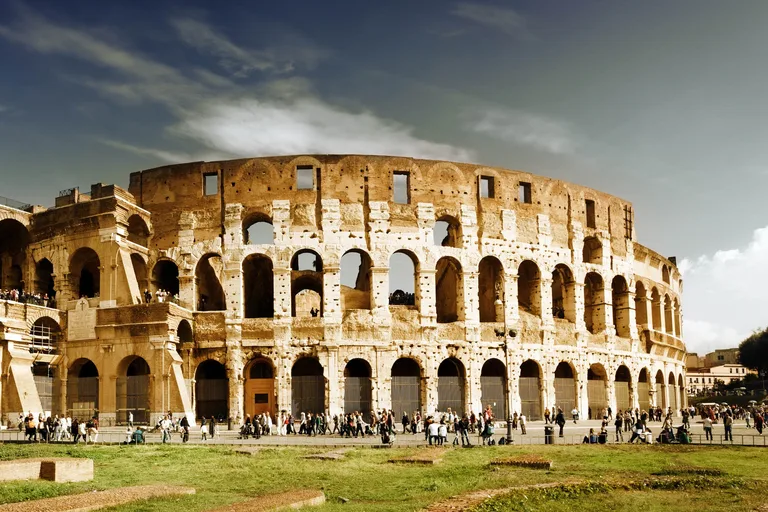
1. Colosseum
Rome’s essential amphitheater is also known as the Colosseo, Flavian Amphitheatre, and Anfiteatro Flavio. Plan 75–90 minutes for the visit.
Admission is timed. Buy through the official ticketing service, verify the selected ticket’s release window, and arrive before the timed security window. Metro B stops at Colosseo.
Sam valadi · CC BY 2.0Image source
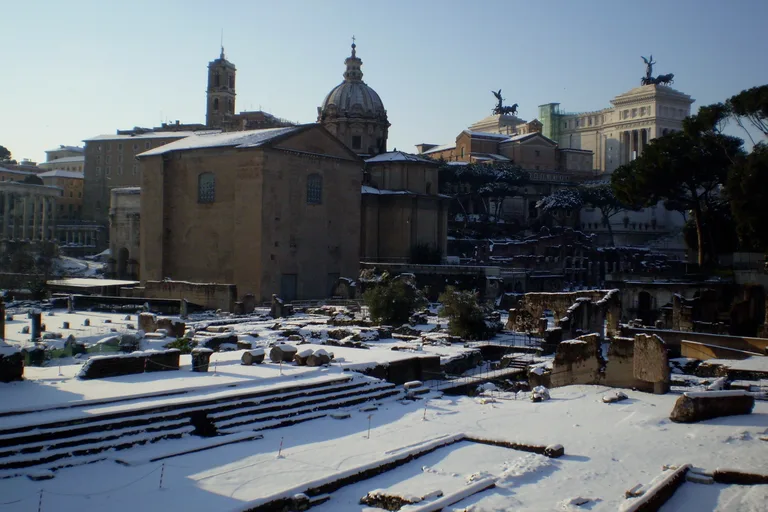
2. Roman Forum
The Roman Forum is the core choice for seeing the archaeological setting of Republican and imperial Rome. Allow 90–150 minutes.
Eligible Colosseum/Forum-Palatine tickets normally include it as part of one archaeological entry. Allow time for uneven paving and use the gate specified by the current ticket.
Barbaking · CC BY-SA 3.0Image source

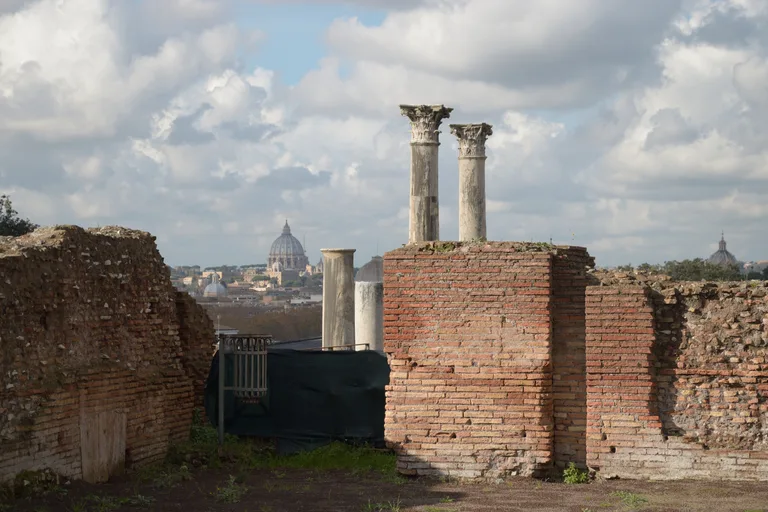
3. Palatine Hill
Palatine Hill combines imperial-palace remains with elevated views and is best planned with the Roman Forum. Allow 90–150 minutes for both.
It is covered by eligible Forum-Palatine admission, but check SUPER-site access for the chosen ticket. Expect steep and uneven sections.
Livioandronico2013 · CC BY-SA 4.0Image source

4. Pantheon
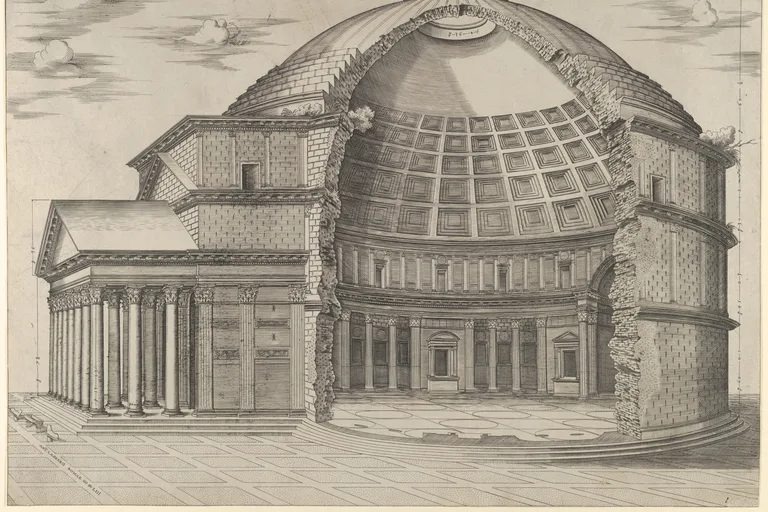
The Pantheon is a compact central-Rome choice for monumental temple-and-church architecture. Allow 45–60 minutes.
It has separate admission from the Colosseum. Verify official hours, worship closures, and ticket rules before visiting; the approach is mostly level over cobbles.
anonymous · CC0Image source

5. Domus Aurea
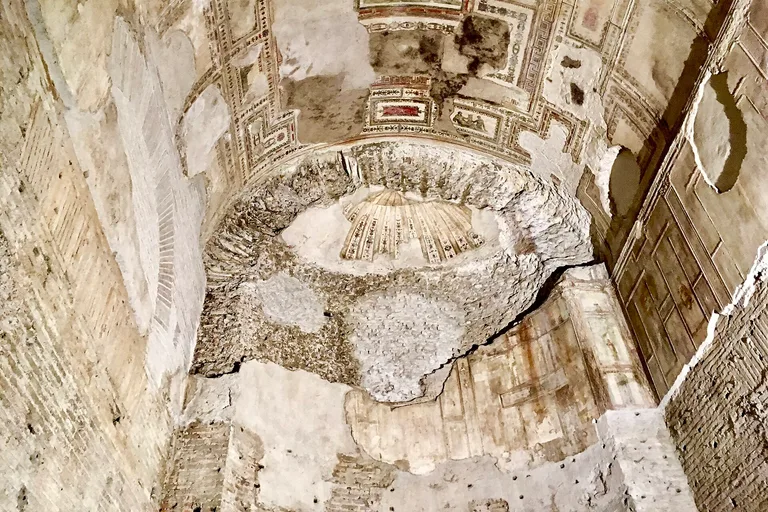
Domus Aurea, also called Nero’s Golden House, is the specialist pick for a controlled underground imperial-palace visit. Plan 75–90 minutes.
Access is limited and guided, with advance booking normally essential. The archaeological environment is cool, enclosed, and controlled-entry.
Andy Montgomery from Birmingham, AL · CC BY-SA 2.0Image source
.jpg)
6. Baths of Caracalla
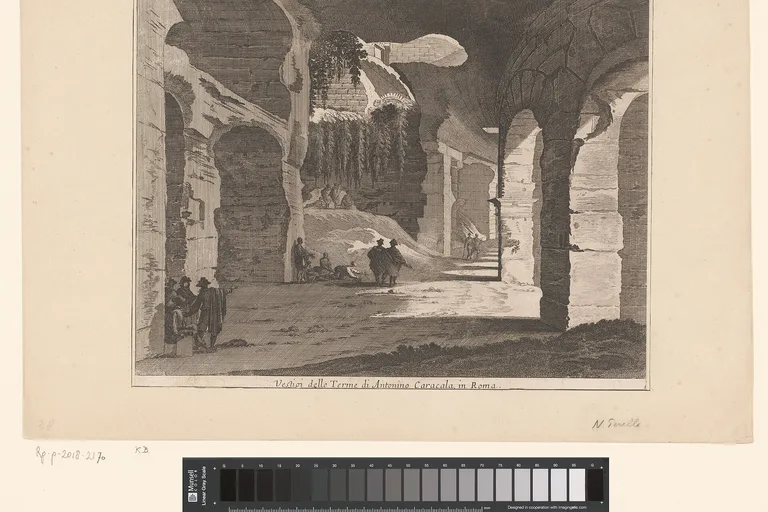
The Baths of Caracalla are a strong choice for monumental open-air ruins and a less-crowded archaeological setting. Allow 75–120 minutes.
This is a separate-ticket site with limited shade and uneven surfaces. Summer events can change access and routes, so verify the current notice.
Rijksmuseum · CC0Image source

7. Trajan’s Markets – Museum of the Imperial Fora
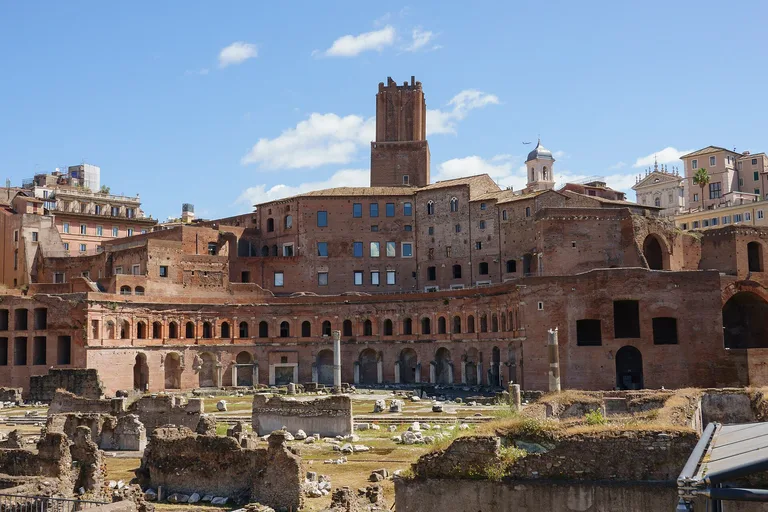
Trajan’s Markets combine a museum route with the architecture of the market complex. Allow 90–120 minutes, making it one of the fuller indoor ancient-Rome visits.
It uses a municipal museum ticket. Check current exhibitions and opening notices; the site has multiple levels and ancient surfaces.
Nhartmannphotos · CC BY-SA 4.0Image source

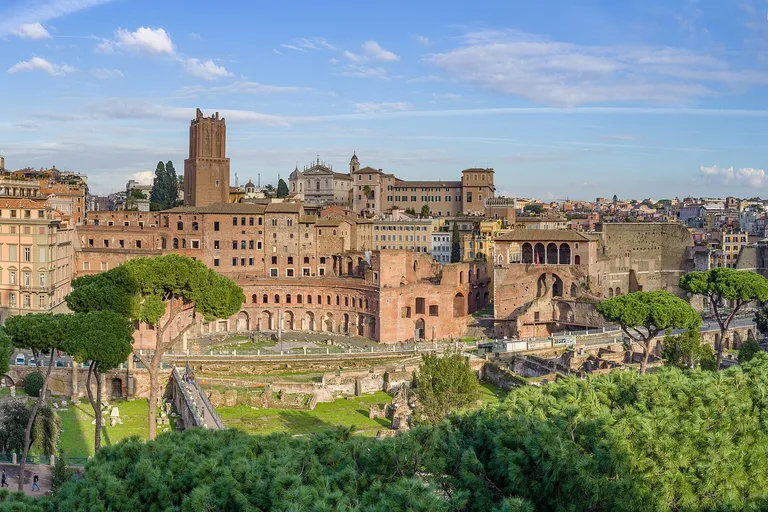
8. Forum of Trajan
The Forum of Trajan is a concise urban-archaeology stop beside Via dei Fori Imperiali. Allow 30–45 minutes.
Street viewpoints are free, while archaeological access depends on the current Imperial Fora route or eligible pass. Walk here from Piazza Venezia and distinguish it from Trajan’s Markets.
This Photo was taken by Wolfgang Moroder . Feel free to use my photos, but please mention me as the author and send me a message . This image is not in the public domain . Please respect the copyright protection. It may only be used according to the rules mentioned here. This specifically excludes use in social media , if applicable terms of the licenses listed here not appropriate. Please do not upload an updated image here without consultation with the Author. The author would like to make corrections only at his own source. This ensures that the changes are preserved. Please if you think that any changes should be required, please inform the author. Otherwise you can upload a new image with a new name. Please use one of the templates derivative or extract . · CC BY-SA 3.0Image source

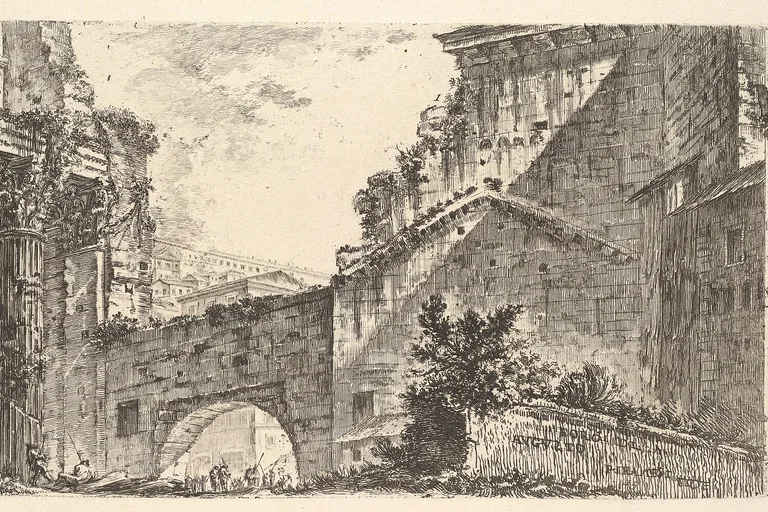
9. Forum of Augustus
The Forum of Augustus is a short stop for the remains associated with Augustus and the Temple of Mars Ultor. Allow 20–30 minutes.
Street viewpoints are free; interior access varies by route and event program. It stands beside Via dei Fori Imperiali near the Forum of Nerva.
Giovanni Battista Piranesi · CC0Image source
_MET_DP827922.jpg)
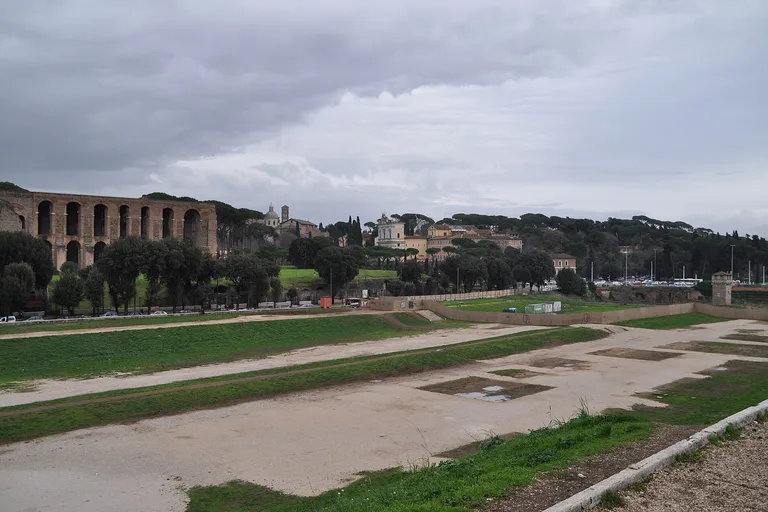
10. Circus Maximus
Circus Maximus works best for understanding the scale of Rome’s chariot-racing valley and for broad outdoor views. Allow 30–60 minutes.
The open valley is generally free, although archaeological experiences or events may require tickets. Metro B serves Circo Massimo; summer visits have substantial heat exposure.
Schlurcher · CC BY 4.0Image source

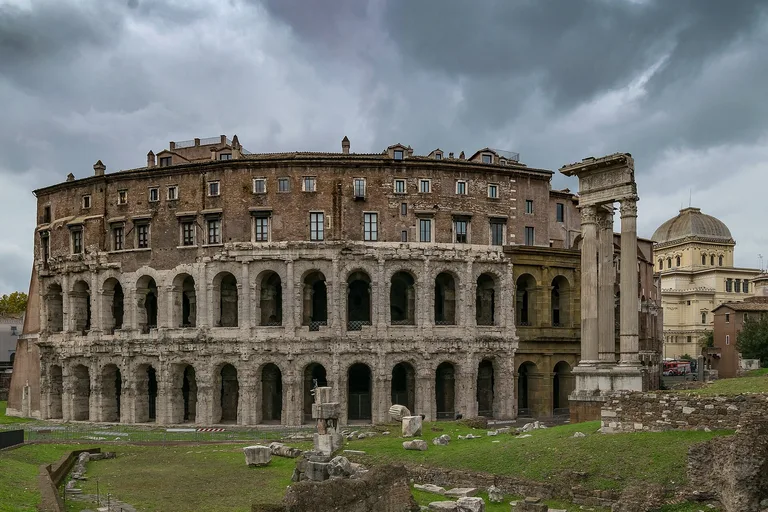
11. Theatre of Marcellus
The Theatre of Marcellus is a brief architectural stop and a useful walking-route anchor near the Porticus Octavia and Forum Boarium. Allow 20–40 minutes.
It is best appreciated from the public exterior route. Special access varies, so treat the exterior as the dependable part of the visit.
Rabax63 · CC BY-SA 4.0Image source
.jpg)
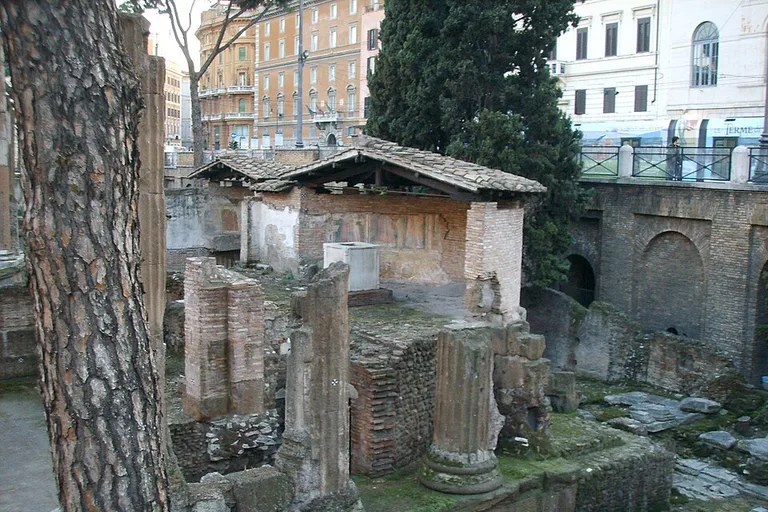
12. Sacred Area of Largo Argentina
Largo di Torre Argentina offers a central look at a Republican temple complex and fits well with a Caesar-context itinerary. Allow 30–60 minutes.
The street overlook is free. The accessible archaeological walkway follows separate current rules and uses its designated entrance; the street edge is central and level.
sailko · CC BY 2.5Image source

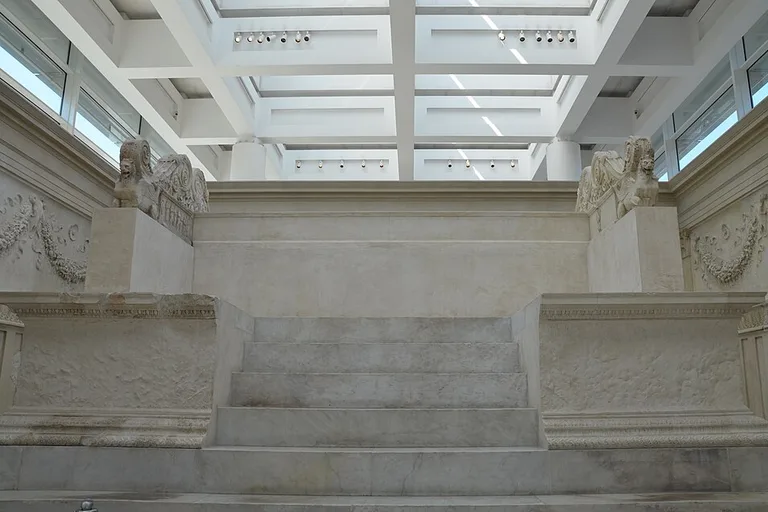
13. Ara Pacis Museum
The Ara Pacis Museum is the focused choice for an Augustus-era altar and sculpture in a modern indoor setting. Allow 60–90 minutes.
It uses a municipal museum ticket, and temporary exhibitions may affect the price. The museum stands beside the Tiber with controlled indoor access.
Carole Raddato from FRANKFURT, Germany · CC BY-SA 2.0Image source
.jpg)
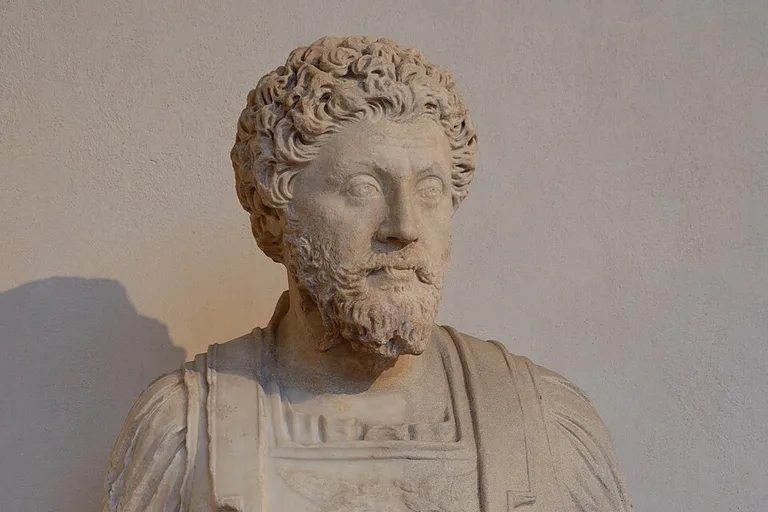
14. Baths of Diocletian
The Baths of Diocletian combine imperial-baths remains, museum galleries, and cloister spaces. Allow 90–120 minutes.
A National Roman Museum ticket applies; verify combined-site validity and current galleries. Its location near Roma Termini and indoor spaces make it useful in poor weather.
Livioandronico2013 · CC BY-SA 4.0Image source
.jpg)
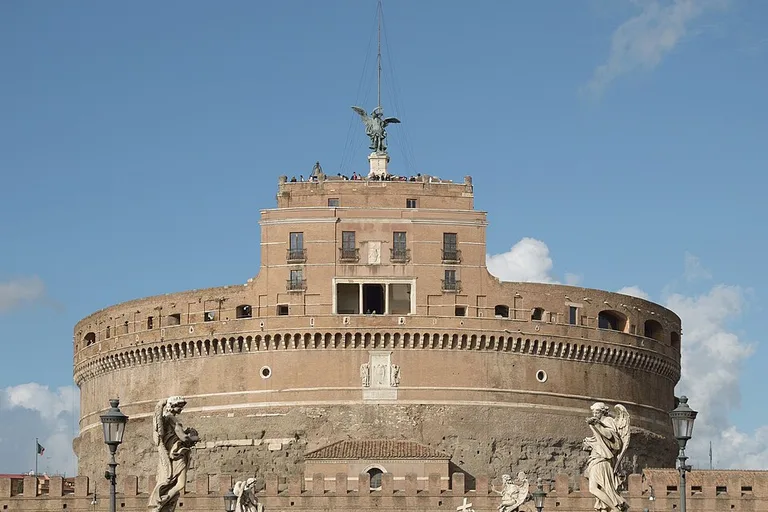
15. Castel Sant’Angelo (Hadrian’s Mausoleum)
Castel Sant’Angelo preserves Hadrian’s mausoleum inside a heavily transformed monument and adds a museum route with a panorama. Allow 90–120 minutes.
It requires a separate national museum ticket. Metro A at Lepanto or Ottaviano is followed by a walk; verify temporary closures and the current route.
Livioandronico2013 · CC BY-SA 4.0Image source
.jpg)
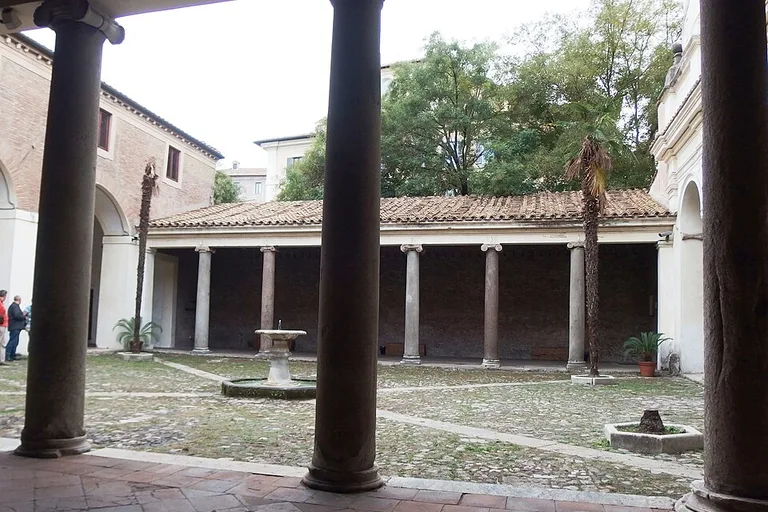
16. Basilica of San Clemente Archaeological Excavations
San Clemente is the choice for layered underground archaeology, including houses and a mithraeum beneath the basilica. Allow 60–90 minutes.
The excavations require a separate archaeological ticket and include multiple stairways and enclosed underground levels. Worship and excavation schedules differ.
Palickap · CC BY-SA 4.0Image source
.jpg)
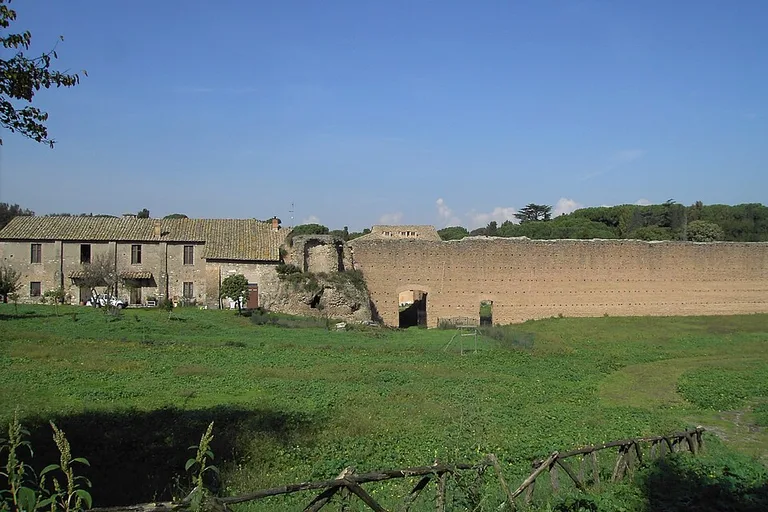
17. Villa of Maxentius
The Villa of Maxentius pairs an imperial villa with a circus and suits a quieter Appian Way itinerary. Allow 60–90 minutes.
Verify municipal opening hours and event closures. It lies on the Appian Way bus-and-bike corridor and can be combined with the Mausoleum of Cecilia Metella.
Lalupa · CC BY-SA 4.0Image source

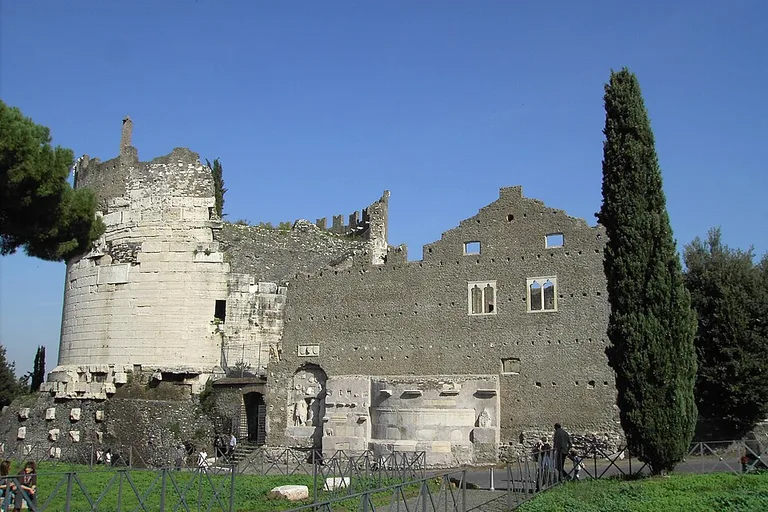
18. Mausoleum of Cecilia Metella
The Mausoleum of Cecilia Metella is an iconic Appian Way tomb and a natural companion to the Villa of Maxentius. Allow 45–60 minutes.
Appian Park ticket rules apply, so verify same-day opening. Limited vehicle access makes bus, walking, or cycling preferable along this route.
Lalupa · Public domainImage source


19. Ostia Antica Archaeological Park
Ostia Antica is a day trip to an ancient port city rather than a central Rome stop. Allow 3–5 hours for the archaeological park.
Take the Roma–Lido rail to Ostia Antica and continue with a short walk. The park requires a separate archaeological ticket and has extensive uneven terrain; verify closures and first-Sunday arrangements.
MumblerJamie · CC BY-SA 2.0Image source

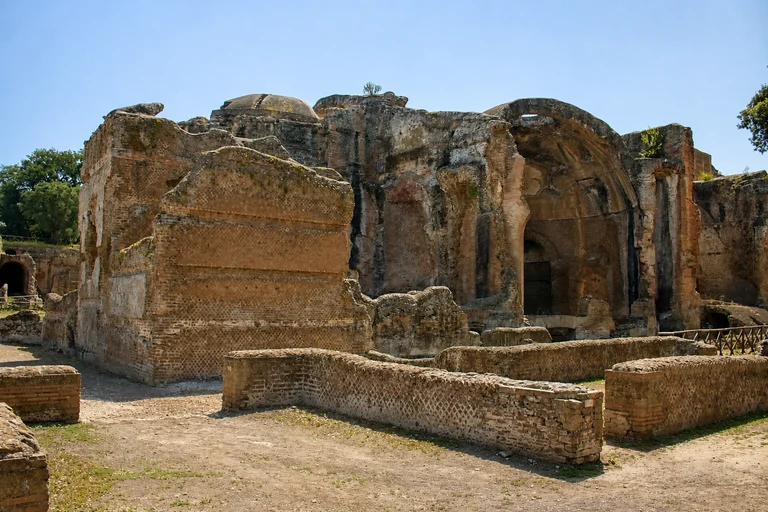
20. Hadrian’s Villa
Hadrian’s Villa in Tivoli is a separate day trip for a large imperial-villa landscape. Allow 3–4 hours on site.
It uses separate VILLÆ admission. Regional transport plus a local bus or taxi is required; a car-free day trip is possible but less simple than Ostia Antica. Verify ticket options, entrances, and seasonal hours.
AI-created illustrative image; not a documentary photographAnyMappy · AI-edited from a rights-cleared reviewed photograph · AI-edited non-documentary editorial thumbnailImage source
_1000_06.jpg)
Which ancient Roman sites are essential for a first visit?
The Colosseum, Roman Forum, Palatine Hill, and Pantheon are the clearest first-visit priorities in this selection. The Colosseum, Forum, and Palatine can form one archaeological plan when covered by the chosen admission; the Pantheon requires separate admission.
Which sites require a reservation?
The Colosseum requires timed admission. Domus Aurea has limited guided access, and advance booking is normally essential. Other sites have their own ticket or access rules, so verify the official information for the date and ticket you select.
Are any ancient Roman sites free?
Some public views and outdoor areas are generally free, including street viewpoints of the Fora of Trajan and Augustus and the open valley of the Circus Maximus. The Theatre of Marcellus is best appreciated from its public exterior route. Archaeological walkways, museum interiors, events, and special experiences may have separate rules.
What are the best quieter Roman ruins?
The Baths of Caracalla, Villa of Maxentius, Mausoleum of Cecilia Metella, Domus Aurea, and San Clemente offer alternatives to the busiest first-visit circuit. Their access, terrain, and ticket arrangements differ.
Which Roman sites are day trips from Rome?
Ostia Antica and Hadrian’s Villa are day trips rather than central Rome stops. Ostia Antica is an ancient port city reached by Roma–Lido rail; Hadrian’s Villa is in Tivoli and requires regional transport plus a local bus or taxi.
How many places does the Rome ancient-sites map contain?
The Map contains 33 exact visitor-facing sites. This comparison selects 20 of them for first-time prioritization and route planning.