Italy’s beech-forest component in a living European story
This exact map entry belongs because Italy contributes to a natural UNESCO property whose subject is the evolution and continuing spread of European beech, Fagus sylvatica. It is not an Italian monument or one continuous national park: the property is transnational and serial, shared by 18 countries and composed of 93 component parts. The Italian map pin is therefore a representative exploration point for Italy’s side of a much larger ecological record.
UNESCO values these relatively undisturbed temperate forests for the ecological processes they preserve. Beech survived glacial conditions in southern European refuge areas, then expanded after the last Ice Age through natural corridors and stepping stones. Across the series, pure and mixed stands occupy varied climatic, geological, geographical and physical conditions, from coastal areas to the treeline. The contrast with Italy’s cultural properties is fundamental: significance here comes from natural forest development, environmental gradients and genetic adaptability rather than designed form.
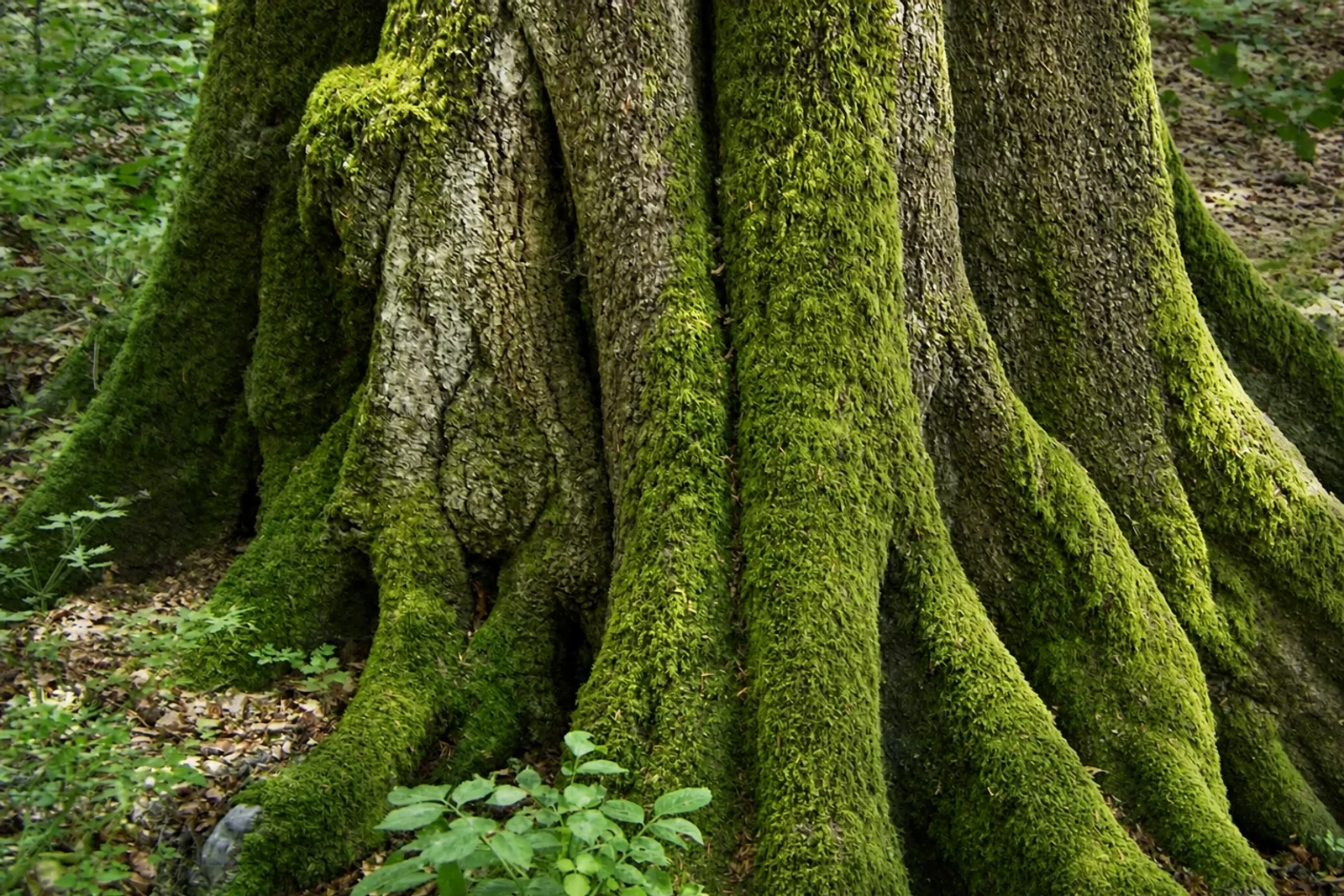
Worth noticing are the old trees and the associated species that depend on old-growth forest habitats. Each component must represent natural forest processes in its own setting, while the series collectively expresses the variability of European beech ecosystems. Logging, habitat fragmentation and climate change are identified threats, including possible shifts in habitat and species composition. Do not mistake the Italian pin for the full international property or assume that every component offers the same visitor setting.