Royal Capetian Fortresses: Languedoc’s defensive chain
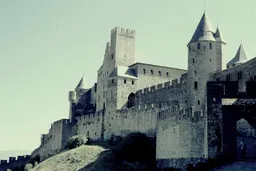
The Royal Capetian Fortresses of Languedoc belongs because UNESCO defines it as a serial system of eight fortified sites, not as Carcassonne alone. The record includes the Castle and ramparts of Carcassonne and the fortresses of Aguilar, Lastours, Montségur, Peyrepertuse, Puilaurens, Quéribus and Termes. Listed here as a cultural property under criterion (iv), with an inscription date of 2026, it represents a core part of the Capetian defensive system established in the 13th and 14th centuries.
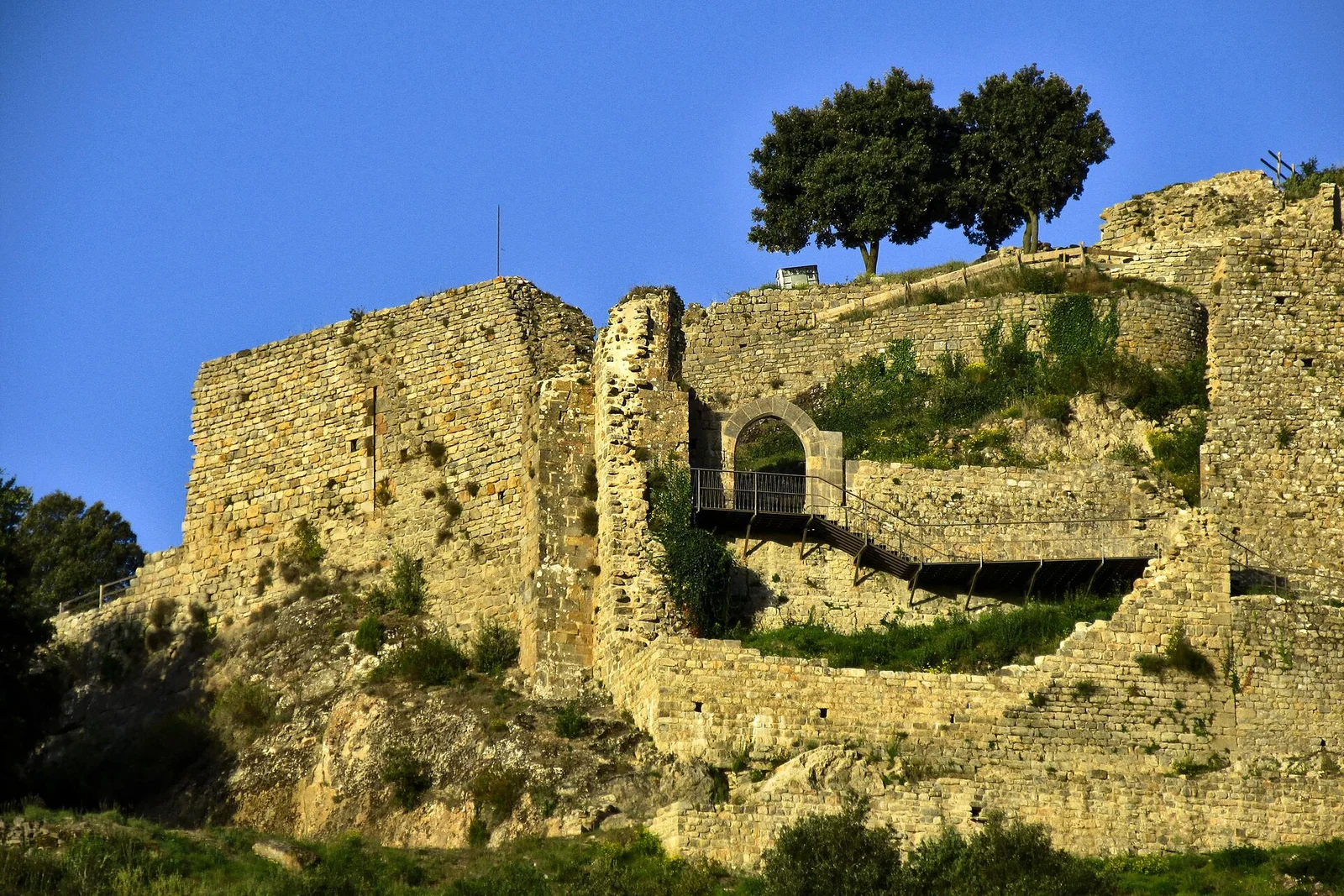
The important detail is the relationship between military architecture and terrain. These fortifications were built on rugged rocky ridges in strategically significant locations, forming the backbone of the newly created seneschalty of Carcassonne. Together they illustrate the political, military and territorial consolidation of the Capetian Crown in Languedoc and the assertion of the seneschal’s authority over former territories of independent feudal lineages. That makes the property different from a guide to one spectacular castle or one walled city: its identity is distributed across a defensive landscape. Compare the sites as a connected expression of power adapted to dramatic topography, while remembering that the UNESCO record treats the eight components as one canonical heritage property.