Champagne Hillsides: vineyards, cellars and commerce
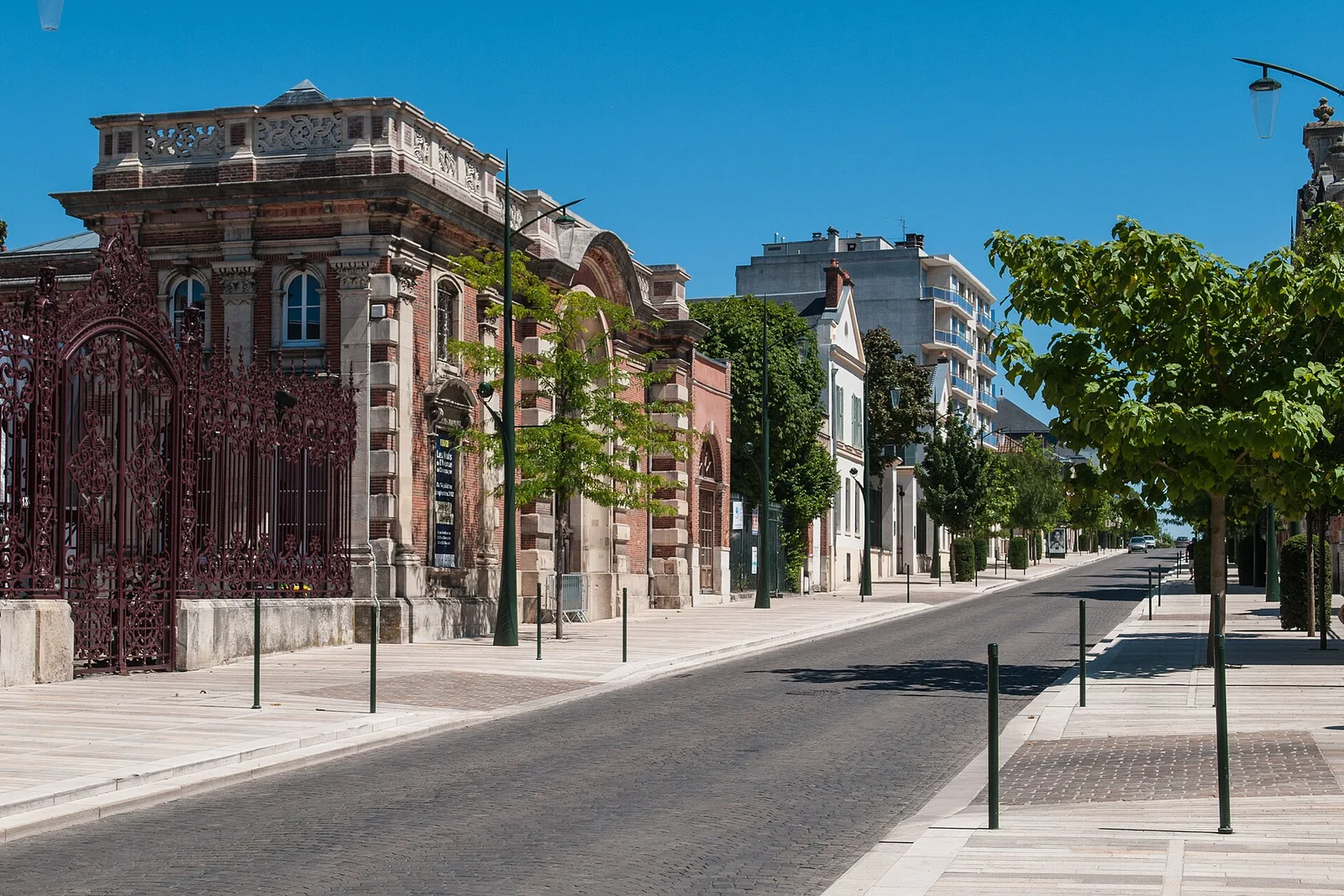
Champagne Hillsides, Houses and Cellars belongs because it records an entire production landscape, not merely a wine-growing area. The UNESCO property is a serial site with 14 component parts, arranged in three ensembles: the historic vineyards of Hautvillers, Aÿ and Mareuil-sur-Aÿ; Saint-Nicaise Hill in Reims; and Avenue de Champagne with Fort Chabrol in Épernay. Together they show the supply basin, production sites and commercial centres of Champagne.
That structure prevents a common mistake: treating the property as a single vineyard or as a collection of tasting destinations. Its significance lies in the functional relationship between chalky soils, hillside villages, vendangeoirs, underground cellars, Champagne Houses and routes of trade. The method of producing sparkling wine through secondary fermentation in the bottle developed here from the early 17th century and moved towards industrialisation in the 19th century. Women and British and German contributors are included in the account of this development.
Look for the contrast between visible and hidden heritage. Vineyards and prestigious urban architecture express the public face of production, while former Gallo-Roman and medieval chalk quarries and purpose-built cellars form an underground landscape. The property also reflects social and urban change, including the Chemin Vert garden city in Reims. Its villages, plots and built heritage remain substantially preserved, while Saint-Nicaise Hill has retained its function after restoration.