Lombard power in seven architectural chapters
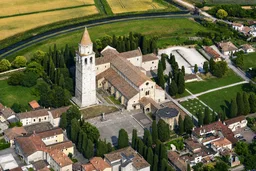
Longobards in Italy. Places of the Power (568-774 A.D.) belongs here as a serial property rather than a single landmark. Its seven groups of fortresses, churches and monasteries extend throughout the Italian Peninsula and represent the remaining built and artistic heritage of the Lombards in Italy. The property was inscribed in 2011 under cultural criteria (ii) and (iii).
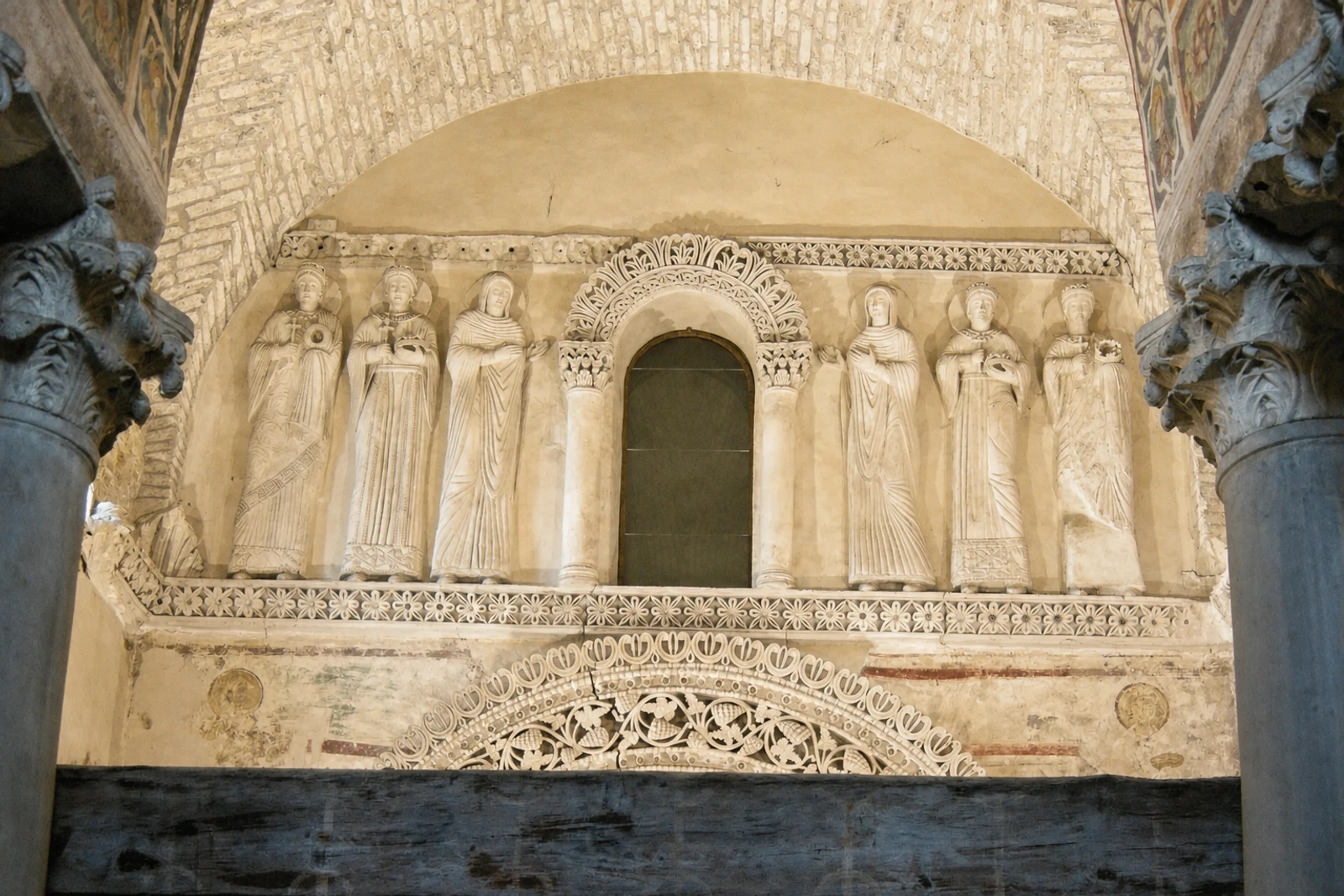
Its importance lies in synthesis. Lombard buildings combine the heritage of Ancient Rome, Christian spirituality, Byzantine influence and traditions associated with Germanic northern Europe. Contact with Byzantine, Hellenistic and Middle Eastern influences added to the range of monumental forms and uses. The result is not one uniform architectural style but a varied cultural ensemble in which secular and religious buildings express the power of a Lombard elite.
The property also belongs to a wider story of medieval Christianity. The Lombards reinforced monasticism, helped establish an early pilgrimage venue at Monte Sant’Angelo through the spread of devotion to St Michael, and contributed to the transmission of literary, technical, scientific, historical and legal works from Antiquity. That makes the series different from a conventional castle trail or church itinerary: its meaning emerges from connections among political authority, religious life, artistic exchange and knowledge. Each component has its own management system, coordinated through the Italia Langobardorum association network, so component-specific information is essential when planning.