Monte San Giorgio: a fossil archive beside Lake Lugano
Monte San Giorgio belongs because it records geological history on a scale unlike the map’s architectural properties. This transboundary natural property, shared by Italy and Switzerland, was inscribed under criterion (viii). Beside Lake Lugano, its pyramid-shaped, wooded mountain preserves the best-known record of marine life from the Triassic Period, between 245 and 230 million years ago.
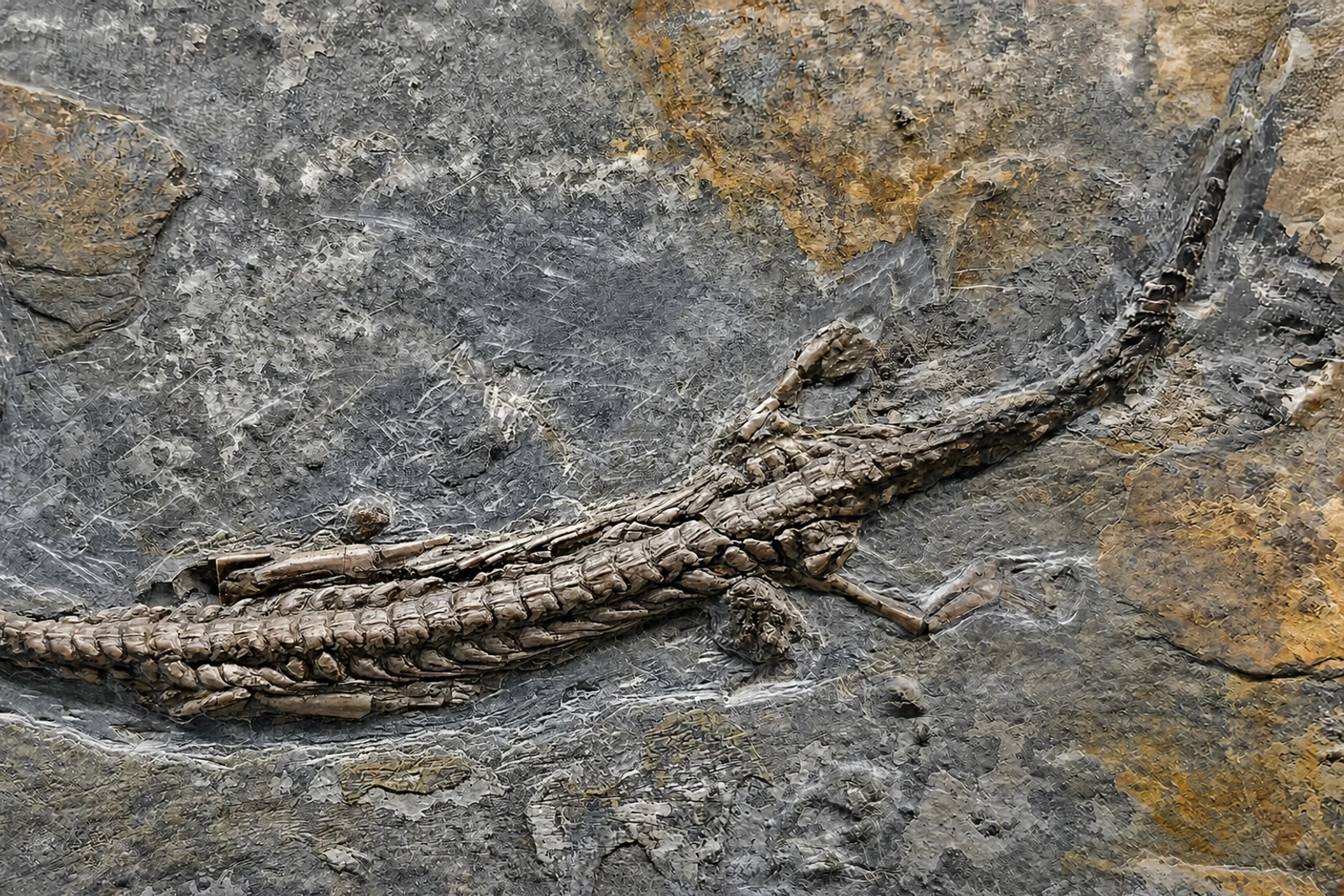
The fossil evidence comes from a tropical lagoon sheltered and partly separated from the open sea by an offshore reef. Reptiles, fish, bivalves, ammonites, echinoderms and crustaceans lived in that marine setting, while the lagoon’s proximity to land also allowed remains of land-based reptiles, insects and plants to enter the record. Many fossils are exceptionally complete and finely preserved. Intact strata and accessible fossil-bearing rock exposures are among the property’s principal attributes.
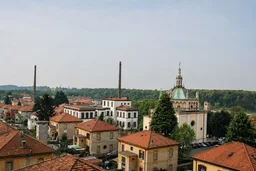
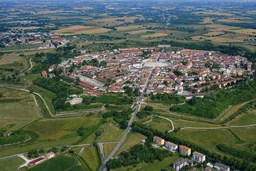
The Italian side should not be confused with a separate Italian fossil site: it is the extension added in 2010 to the area inscribed in Switzerland in 2003, creating the present transboundary property. Its importance also lies in the long history of study, catalogued specimens and geological research. Fossil-bearing areas are protected in situ, and excavation is managed legally for scientific purposes. Because the resources generally require excavation and preparation, they are not simply a display encountered along a mountain path; universities, museums and visitor services help make the scientific record understandable. Current local guidance matters for access and interpretation.