
.jpg)
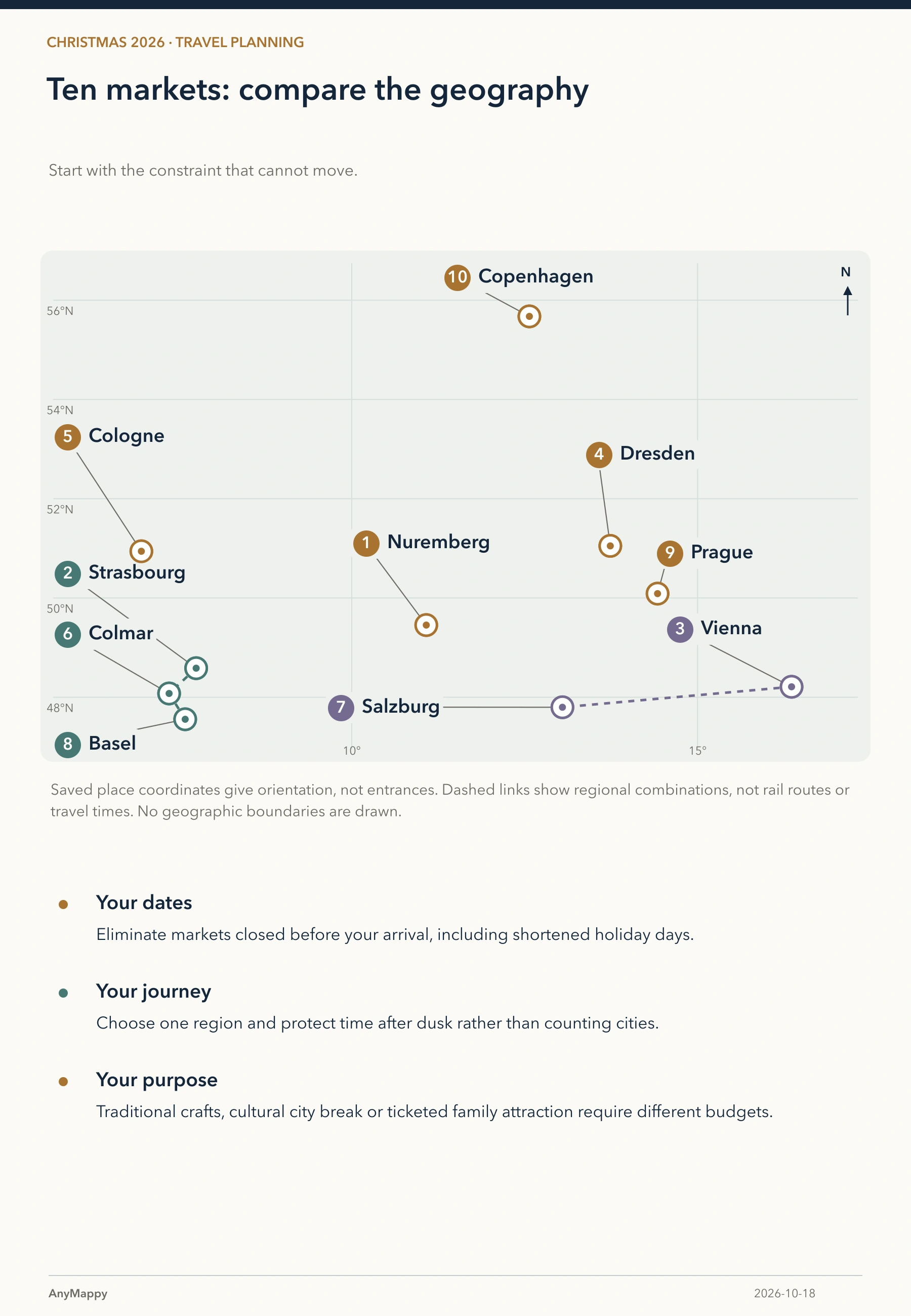
Start with the constraint that cannot move. Saved place coordinates give orientation, not entrances. Dashed links show regional combinations, not rail routes or travel times. No geographic boundaries are drawn.
Enlarge the diagramRead the planning notes
- Your datesEliminate markets closed before your arrival, including shortened holiday days.
- Your journeyChoose one region and protect time after dusk rather than counting cities.
- Your purposeTraditional crafts, cultural city break or ticketed family attraction require different budgets.
How this top ten was selected
| Editorial position | Named venue | Best reason to choose it | Main trade-off |
|---|---|---|---|
| 1 | Nuremberg Hauptmarkt | Focused traditional first visit | Ends on Christmas Eve |
| 2 | Strasbourg Place Broglie | A whole old-town Christmas stay | Some 2026 details still pending |
| 3 | Vienna Rathausplatz | Markets with major-city culture | Market and skating dates differ |
| 4 | Dresden Altmarkt | Crafts and baking | Eastern-Germany location shapes route |
| 5 | Cologne Cathedral | Simple rail arrival | Closed 22 November |
| 6 | Colmar Ancienne Douane | Compact Alsatian scenery | Narrow, busy old-town passages |
| 7 | Salzburg Dom/Residenzplatz | Music and post-Christmas flexibility | Do not assume mountain snow |
| 8 | Basel Münsterplatz | Manageable two-square visit | Swiss spending needs separate comparison |
| 9 | Prague Old Town Square | Architecture and a later season | Cobbles and crowded approaches |
| 10 | Tivoli, Copenhagen | A full family attraction | Admission and rides require budgeting |
The selection starts with existing AnyMappy market Places and current organizer information. We considered four things: a distinctive festive setting, practical arrival by public transport, useful activities beyond the stalls, and clear information that helps a first-time visitor make a booking. The ranking gives more weight to a coherent first visit than to the number of stalls or an award badge. We have not invented review scores, personal visits or popularity data.
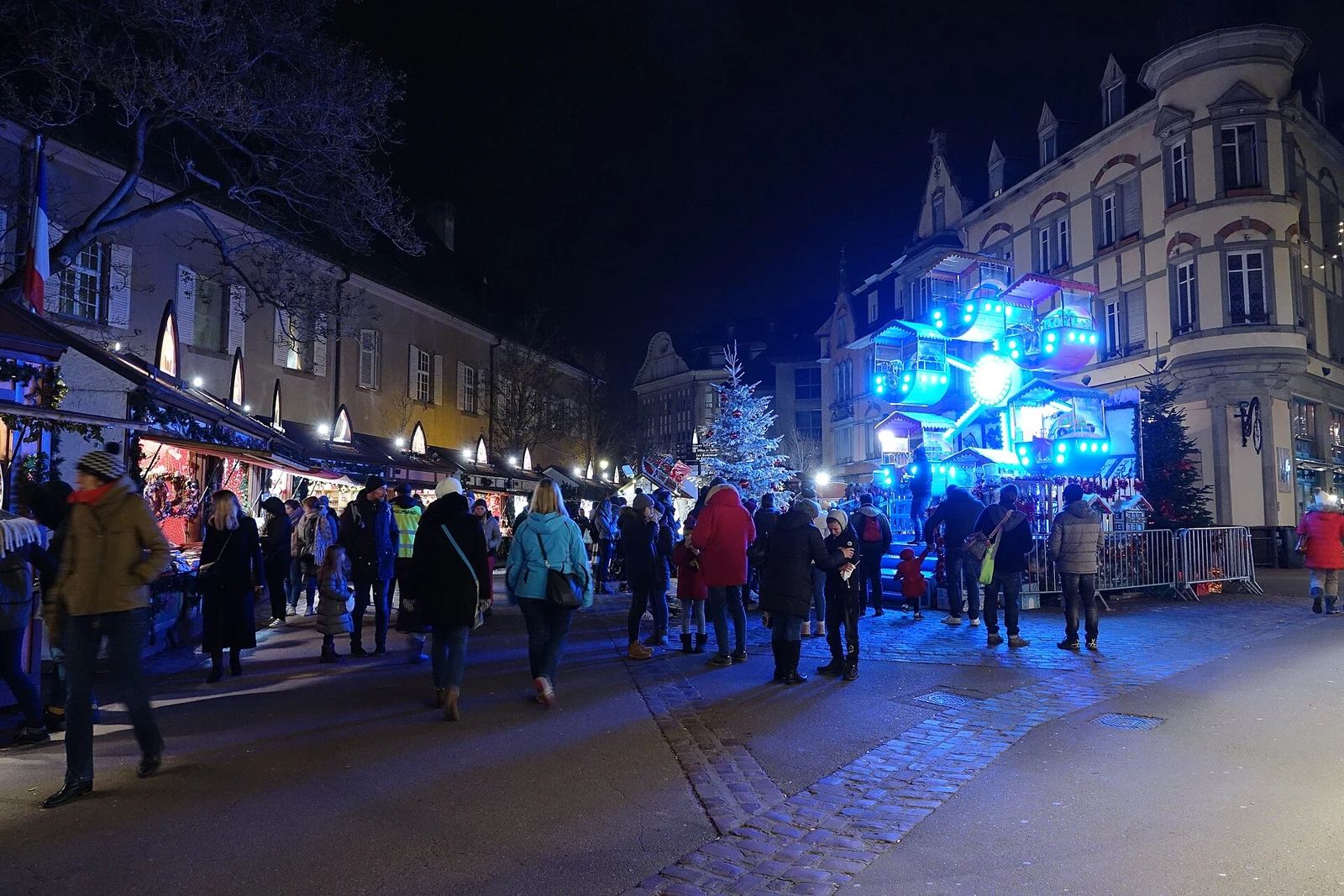
A named market is the unit of comparison. Strasbourg’s Place Broglie is one part of a citywide celebration; Colmar’s Ancienne Douane is one stop within several markets; Vienna’s Rathausplatz market is different from Schönbrunn. Tivoli is deliberately included as a contrasting, ticketed amusement-garden experience. It is not equivalent to a free stroll through a public square.
The order can change for you. Travelling after Christmas moves Prague and Salzburg higher on the shortlist. Travelling with children who want rides makes Copenhagen more attractive. Wanting a brief railway stop favours Cologne or Basel. Use the reasons and limitations below to choose one base, rather than turning the ten entries into an exhausting itinerary.
Start with the calendar, then book the city
Several strong choices close before or on 24 December. Nuremberg and Dresden end on 24 December; Cologne Cathedral ends on 23 December; Basel’s two main squares end on 23 December. The evening of Christmas Eve should not be treated as a normal market session. Vienna Rathausplatz runs through 26 December, while Salzburg runs to 1 January 2027 and Prague’s central-market season is listed through 6 January.
Colmar’s six-market season is 23 November–29 December 2026. Strasbourg’s official German FAQ confirms the opening on 27 November but, at our 18 October check, did not yet provide a closing date or daily hours; other language versions still contained 2025 information. We therefore keep the ending date pending rather than borrowing last year’s timetable.
Tivoli’s Christmas season is advertised as 13 November–3 January, with the 2026–27 year corroborated by official tourism event fields. Check the park calendar for your specific date and any holiday exception. A season banner is a starting point, not proof that every ride, shop or activity operates throughout every day.
Choose one geographical cluster
For a short first trip, two or three nights in one base usually produces a better experience than changing cities daily. You can see the same square in daylight and after dark, recover from a delayed arrival, and spend time choosing a gift. A half-day that includes luggage collection, a railway transfer and hotel check-in is not half a day at a market.
Alsace and Basel form a useful region to investigate; Nuremberg belongs naturally in a Bavarian plan; Salzburg pairs more logically with southern Germany or Austria than with Copenhagen. Vienna and Prague can form a two-city holiday when you allow a proper transfer day. Copenhagen deserves a separate northern-city break. These are geographical groupings, not assurances about direct trains, prices or connection times: check the actual service for your dates.
A map is most helpful after you have chosen the region. Mark the hotel, arrival station, market entrance and one indoor fallback. Then check whether the route remains comfortable in darkness, rain or with a stroller. Distance alone does not reveal steps, cobbles, pedestrian controls or a station lift outage.
What “free market” does and does not mean
For a public-square market, most of the budget is normally accommodation, transport, food and purchases rather than an attraction ticket. That makes it flexible: you can return twice, shorten a visit in bad weather, or simply browse. Check any separately ticketed concert, skating session, ride or guided tour on its own terms. Tivoli works differently: admission and rides are distinct products, so decide whether you want scenery only or repeated rides before buying.
We do not quote an invented daily total for ten different cities. Compare identical travel dates and room conditions, then add airport transfers, local transport, one warm meal, your shopping allowance and paid activities. Check the local currency rather than comparing a numerical price in euros, Swiss francs, Czech koruna or Danish kroner as if they were interchangeable. Bank conversion costs and refundable drink-cup deposits are different parts of the bill.
An attractive lower room price outside the centre is worth considering only when the evening return works. A central room can be especially useful with children, limited mobility or purchases to drop off. Whichever base you select, reserve space in the day for sitting indoors; spending the whole afternoon standing outside is not the only way to enjoy the season.
Places in this article
1. Nuremberg: the clearest traditional first choice
Nuremberg earns the first position because a visitor can build a coherent short trip around one recognisable market on Hauptmarkt. Traditional decorations, gingerbread and local sausage culture provide a clear theme, while the surrounding old town gives the daytime visit a purpose beyond waiting for lights. The official 2026 season is 27 November–24 December.
Use two evenings if possible: browse craft stalls with daylight remaining, then return for atmosphere after a meal or indoor visit. The main railway station provides an obvious arrival point, but allow for the final old-town approach and luggage storage. This choice is less suitable if your dates begin after Christmas or if rides matter more than crafts. The opening ceremony is a special crowd event, not a necessary part of a successful first visit.

2. Strasbourg: choose a Christmas city, not just one square
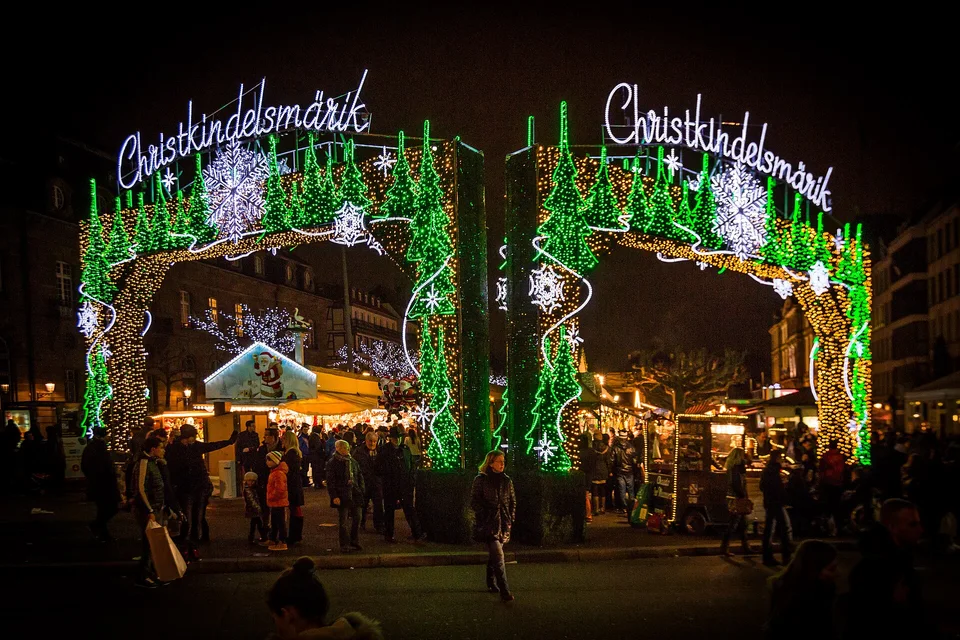
Strasbourg ranks highly because Place Broglie is an anchor within a wider old-town experience. The historic Christkindelsmärik, the cathedral area and Place Kléber let you vary the setting without changing your overnight base. This suits travellers who want Christmas scenery to structure most of a weekend rather than occupy a single stop.
The trade-off is planning uncertainty and crowd management. The official German FAQ confirms a 27 November 2026 opening, while closing date and daily hours were still pending in the version checked. Stay near a useful tram route if the centre is beyond your budget, and confirm seasonal access arrangements rather than relying on last year’s road closures. Do not assume the whole market remains open simply because the city’s lights are still on.

3. Vienna: the broadest mix of festive and indoor plans
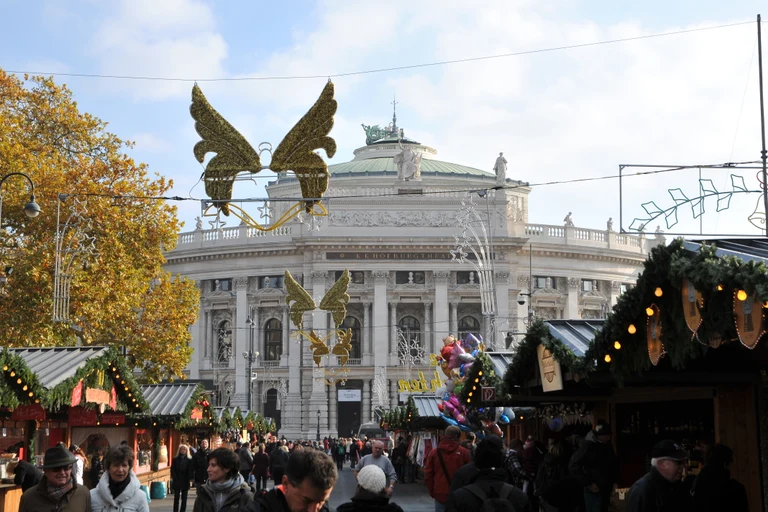
Rathausplatz is a strong choice for travellers who want a market plus a substantial cultural city break. Its setting in front of City Hall and proximity to Ring transport help it fit between museums, cafés and separately booked music. The market runs 13 November–26 December 2026; Christmas Eve has shorter hours.
The advantage is resilience: you can switch a cold afternoon to an indoor plan and return later. The limitation is that attractive add-ons can raise the total cost. Skating is not automatically included in a market visit, and the Ice Dream season has different dates from the stalls. Choose Vienna for variety and flexible daily pacing, not because a photograph of a skating path proves every activity is free or suitable for every child.
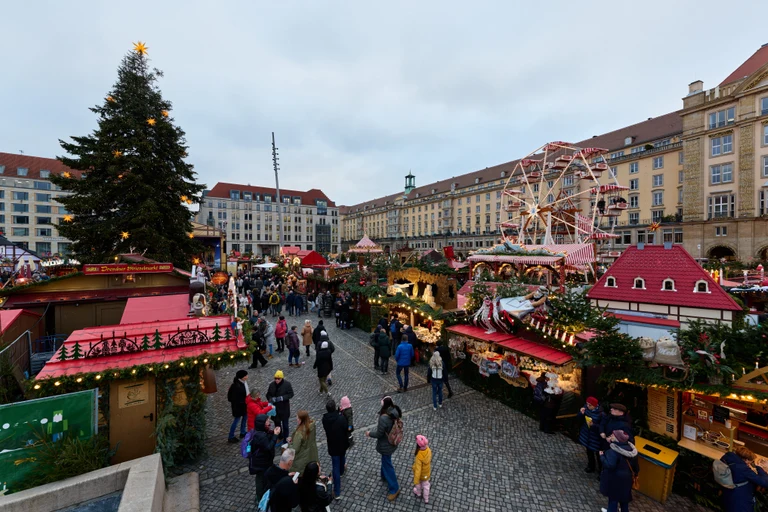

4. Dresden: best when crafts and baking drive the trip
Dresden’s Altmarkt is a rewarding focus for travellers interested in Saxon festive traditions, baking and wooden Christmas objects. The Striezelmarkt’s 2026 dates are 25 November–24 December. Rather than trying to sample everything, choose one food theme and one craft theme, compare stalls and ask about the maker or origin of an item.
Its fourth position reflects a focused experience with strong daytime cultural alternatives, balanced against geography: Dresden is not a casual addition to a Rhine weekend. Give the city two or three nights if art collections and another market area are part of the plan. The official site mixes a current date banner with some earlier program information, so use the current event listing for a particular performance rather than treating an old video as a schedule.
5. Cologne: an easy arrival with a dramatic landmark
The Cathedral market at Roncalliplatz is especially useful for a first trip by train because Köln Hauptbahnhof and the cathedral are close together. A short visit can still have a clear sense of place, and a longer stay can compare different market areas around the city. The organizer lists 16 November–23 December 2026, with closure on 22 November.
Use the railway convenience to simplify the trip, not to carry a large suitcase through busy stalls. Leave bags first, then choose one other neighbourhood if time allows. Cologne’s markets have separate identities and calendars; an ice rink seen in an image of the old-town market should not be attributed to the cathedral site. Choose this base when transport simplicity matters as much as the seasonal backdrop.
6. Colmar: compact scenery that rewards an overnight stay
Colmar’s Ancienne Douane market works as the centre of a walk through several smaller festive settings. Half-timbered streets and the old customs-house area make the experience visually different from the large civic squares further north. The official six-market season is 23 November–29 December 2026, which gives it more post-Christmas potential than many German markets.
Compact does not mean empty or effortless. Narrow passages, uneven paving and evening crowds can slow a route. Stay overnight if you want both daylight detail and an unhurried evening, or choose a return train that actually allows time after dusk. Do not add several wine villages simply because they look nearby on a map: bus schedules and the last return determine what is realistic.
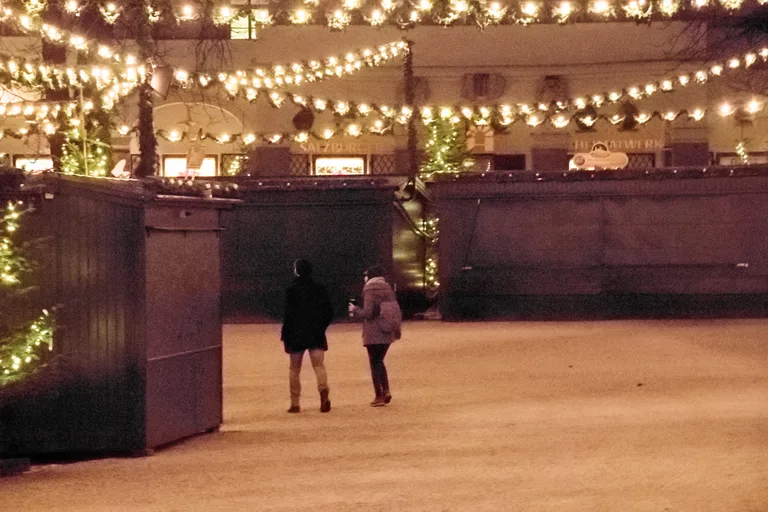

7. Salzburg: music, old-town atmosphere and later dates
Salzburg’s market is a good match for visitors who want the cathedral setting and musical culture to be part of the holiday. The Dom- and Residenzplatz season runs 19 November 2026–1 January 2027, with explicitly shorter Christmas holiday hours. This makes it worth considering when a trip cannot happen before 24 December.
A compact old-town stay is easier to manage than a rushed programme of distant mountain outings. Select a concert or museum only after checking its own ticket and holiday schedule; an advertised market performance is not the same as a reserved indoor seat. Snow in the city is uncertain. The recommendation rests on the urban setting and usable season, not a promise of a white Christmas.
.jpg)
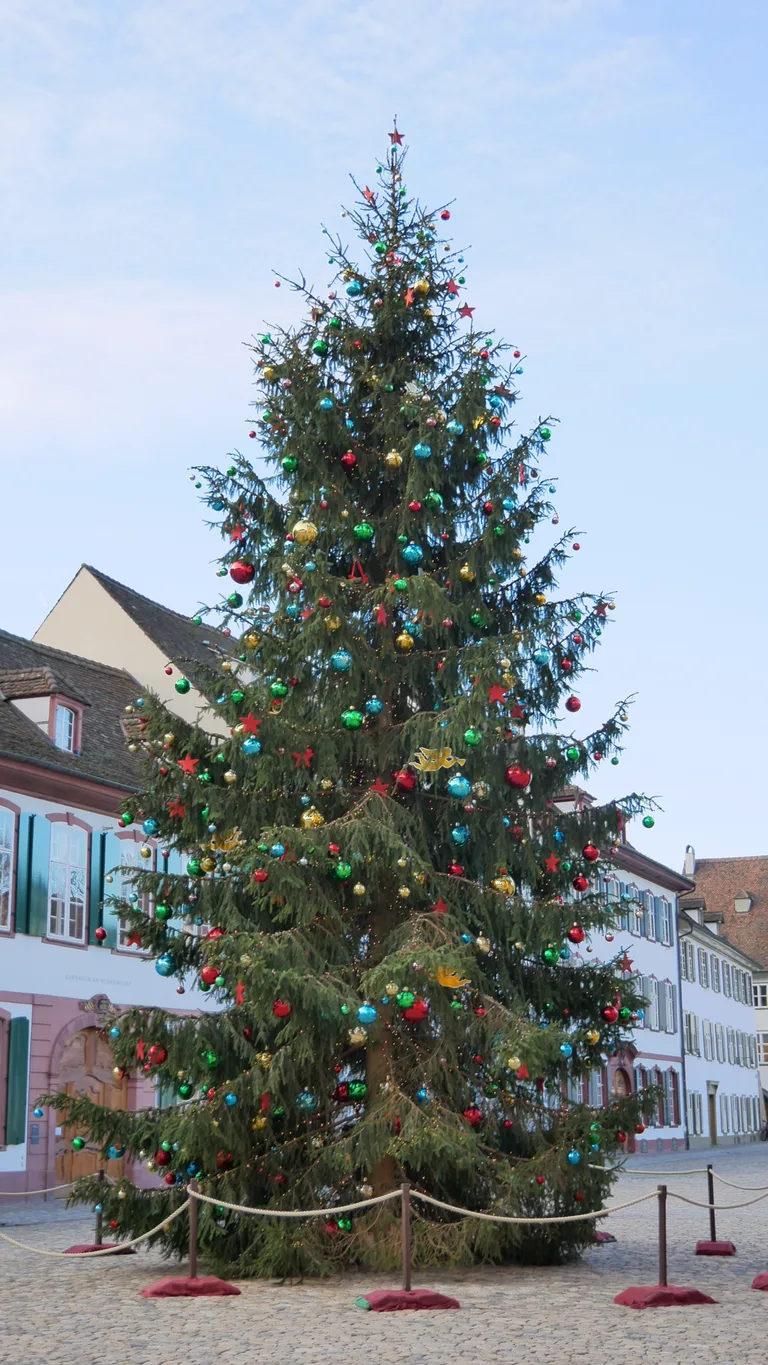
8. Basel: a manageable market break with two main squares
Münsterplatz gives Basel a distinctive cathedral-side setting, while Barfüsserplatz adds a second central market to compare. Both belong to the main 26 November–23 December 2026 season, though their final-day closing times differ. This is a good choice for visitors who prefer a contained city stay and want time for indoor cultural visits.
Basel can also be considered alongside Alsace, but price the cross-border journey and accommodation rather than assuming the nearest international airport or cheapest-looking hotel creates the easiest route. Switzerland uses Swiss francs; compare the whole trip in one currency. The separate Theaterplatz winter village has different dates and should not be used to imply Münsterplatz remains open into January.
9. Prague: historic scenery and a useful late season
Prague’s Old Town Square combines a recognisable architectural setting with a central-market season listed by city tourism as 28 November 2026–6 January 2027. It rises on the shortlist when your available dates fall after Christmas. Wenceslas Square offers a second central market, but the individual visit still needs a realistic route through a busy city.
The trade-off is physical rather than just financial. Cobbles, crowded approaches and longer walks across the river can make an ambitious day tiring. Keep the market afternoon compact and place the castle area on a separate daylight outing if desired. Check prices in Czech koruna and read portions and units at food stalls. A later season does not mean all museums, restaurants or shops keep ordinary hours on public holidays.
.jpg)
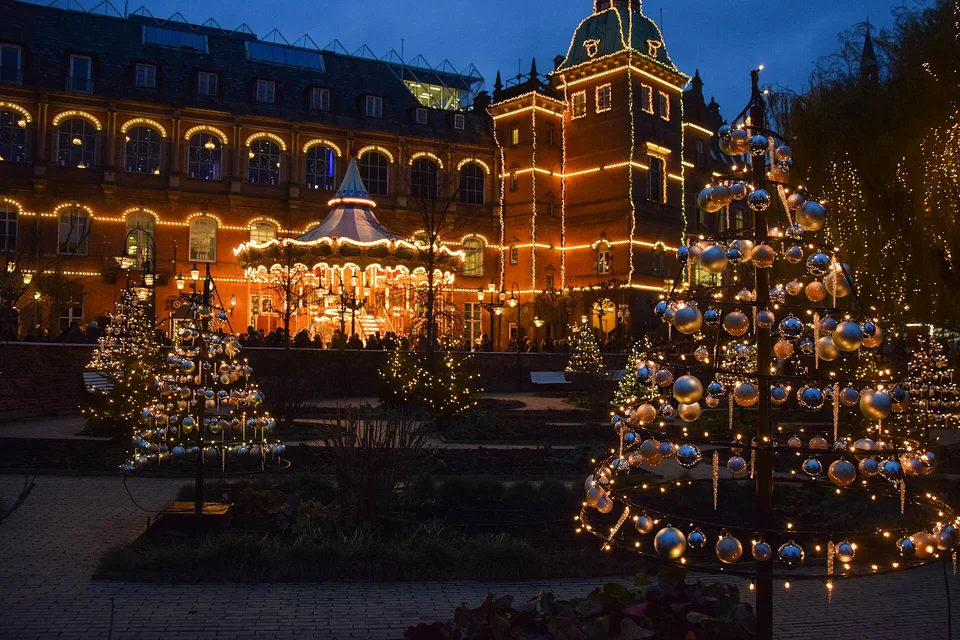
10. Copenhagen’s Tivoli: choose it for a full attraction day
Tivoli earns a place as a clearly different kind of Christmas outing. The gardens combine decorative scenery, stalls and amusement rides in one venue near Copenhagen’s main station. The official seasonal dates point to 13 November 2026–3 January 2027. Families who want more than browsing may prefer this to a sequence of traditional public squares.
Its lower position for a generic first market trip reflects the extra ticket decision, not inferior quality. Admission, ride products and some experiences need separate consideration; buy according to what your party will actually use. Check height restrictions, weather-dependent operation and the chosen-day calendar. Visitors interested mainly in crafts and freely repeatable evening strolls may get better value from one of the public-square choices above.
Which is the best market for a first visit?
Nuremberg is our editorial starting point for a focused traditional trip. Strasbourg suits an old-town holiday, and Vienna is stronger when indoor culture and a varied city break matter equally.
Can I use this ranking for a trip after 25 December?
Use the date column first. Salzburg, Prague, Colmar, Tivoli and Vienna have differing post-Christmas possibilities; several German and Swiss main markets have already closed. Verify the precise day and venue.
Is a weekend enough?
Two or three nights in one base can work well. One evening visit, one daylight return and an indoor attraction usually make a more satisfying weekend than long-distance travel between several entries.
Are all ten markets free to enter?
No. Tivoli is a ticketed attraction, and rides or skating elsewhere may carry separate charges. Confirm the current admission rule for every specific activity rather than treating a city’s festive events as one product.
Will there be snow?
Snow is not guaranteed in any of these city centres. Choose the setting and activities you would enjoy in cold rain as well, then treat snow as a possible bonus.